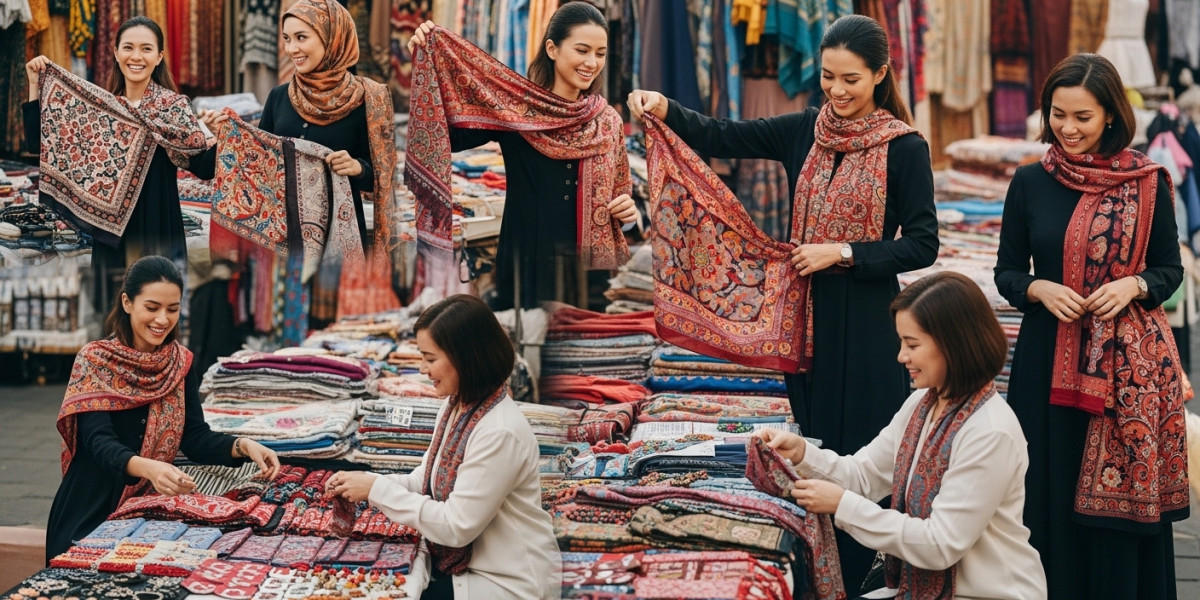

Fashion has always been a powerful bridge between cultures, carrying stories, traditions, and artistry across continents. In recent years, Malaysia has witnessed a fascinating style transformation as Turkish designs, particularly shawls and modest fashion pieces, have become increasingly prominent in wardrobes across the country. The rise of Turkish fashion in Malaysia represents more than just a trend, it reflects a deep cultural appreciation and the discovery of clothing that beautifully balances elegance with practicality. From vibrant bazaars in Kuala Lumpur to sophisticated boutiques in Penang, Turkish-inspired pieces are everywhere, adorning Malaysian women who appreciate the intricate craftsmanship and timeless appeal these garments offer. The connection feels natural, both cultures share values around modesty, family, and celebration of heritage through dress.
What makes this cultural exchange particularly interesting is how seamlessly Turkish designs integrate into Malaysian lifestyles. The fabrics, patterns, and styles that have been perfected over centuries in Turkey find new expression in Malaysia's tropical setting. Turkish fashion in Malaysia isn't about copying looks directly from Istanbul's runways, it's about adaptation and appreciation. Malaysian women have embraced Turkish shawls, abayas, and kaftans, finding creative ways to incorporate them into their daily lives while respecting both the original artistry and local climate considerations. Retailers like Benang Istanbul have recognized this growing passion, curating collections that speak to Malaysian tastes while maintaining authentic Turkish quality and craftsmanship. The relationship between these two fashion worlds continues to deepen as more people discover the versatility and beauty of Turkish textiles.
In this article, we'll explore how Turkish shawls have captured Malaysian hearts, from their presence in local bazaars to high-end boutiques. We'll also share practical styling tips for wearing Turkish shawls in Malaysia's warm, humid climate, and discuss what makes Turkish fashion so appealing to the Malaysian market.
From Bazaars to Boutiques The Turkish Fashion Journey in Malaysia
The story of Turkish fashion in Malaysia begins in the bustling bazaars and night markets where vendors first introduced Turkish-inspired accessories and clothing. These initial offerings caught attention quickly, the colors were richer, the fabrics felt luxurious, and the designs offered something different from the usual fashion choices available locally. Word spread through social media and personal recommendations, and what started as a niche interest grew into genuine demand.
Traditional Malaysian bazaars, particularly those operating during Ramadan and other festive seasons, became showcases for Turkish fashion. Stalls featuring Turkish shawls, scarves, and modest wear drew crowds of women eager to see and touch these beautiful pieces. The tactile quality of Turkish textiles, the weight of the fabric, the smoothness of the weave, the way light plays across the material, these details convinced many shoppers that they were experiencing something special. Prices at bazaar stalls varied widely, offering entry points for different budgets and introducing Turkish fashion to a broad audience.
As demand grew, dedicated boutiques began appearing in shopping districts and malls across Malaysia. These boutiques offered curated collections with better quality control, fitting rooms, and knowledgeable staff who could explain the origins and care of Turkish garments. The boutique experience elevated Turkish fashion from interesting market find to serious style investment. Shoppers could now browse extensive collections, compare different styles, and receive personalized styling advice.
The digital transformation accelerated Turkish fashion's reach throughout Malaysia. Online platforms and social media allowed boutiques and brands to showcase their collections to customers nationwide, breaking down geographic barriers. Instagram feeds filled with beautifully styled Turkish shawls in Malaysian settings, fashion bloggers demonstrated styling techniques, and e-commerce sites made purchasing easy for those outside major cities. Benang Istanbul recognized the importance of this digital presence early, building an online platform that brings authentic Turkish fashion directly to Malaysian customers wherever they are.
How Turkish Shawls Are Winning Malaysian Hearts?
Turkish shawls have become the standout success story in Malaysia's embrace of Turkish fashion. These aren't ordinary scarves, they're works of art created through traditional weaving and printing techniques that have been refined over generations. The quality difference is immediately apparent to anyone who's handled both mass-produced scarves and authentic Turkish shawls. The fabric drapes beautifully, the colors remain vibrant through repeated wearing and washing, and the designs range from classic to contemporary, offering something for every taste.
The versatility of Turkish shawls appeals tremendously to Malaysian women. A single shawl can be worn multiple ways, styled casually for daily errands or elegantly for formal occasions. This adaptability makes them practical investments rather than single-purpose accessories. The generous size of many Turkish shawls provides excellent coverage, which matters for women who prioritize modest dressing. Unlike some scarves that constantly slip or need readjusting, quality Turkish shawls stay in place thanks to their fabric weight and texture.
Cultural resonance plays a significant role in Turkish shawls' popularity. Many Malaysian Muslims feel a connection to Turkish Islamic heritage and appreciate fashion that reflects shared values while offering sophistication and style. Turkish designs often incorporate Ottoman-inspired patterns, calligraphy, and geometric motifs that carry historical and spiritual significance. Wearing these pieces becomes a way of honoring tradition while expressing personal style.
The color palettes available in Turkish shawls suit Malaysian preferences beautifully. From rich jewel tones to soft pastels, from bold patterns to subtle prints, the variety means everyone can find shawls that complement their skin tone and personal aesthetic. Seasonal collections introduce new options regularly, keeping the style fresh and giving enthusiasts reasons to expand their collections.
Quality matters deeply to Malaysian shoppers who've perhaps been disappointed by cheaper alternatives that fade, tear, or lose shape quickly. Turkish shawls, particularly those from reputable sources, maintain their beauty through years of wear. This durability transforms them from fashion purchases into wardrobe investments. Women frequently share stories of Turkish shawls that look as good after three years as they did new, which builds trust and encourages others to invest in quality pieces.
Beautiful Ways to Style Turkish Shawls in Malaysia's Tropical Climate
Malaysia's warm, humid climate presents specific styling challenges that require thoughtful approaches to wearing shawls and scarves. Fortunately, Turkish shawls offer solutions through their fabric choices and versatile styling options. The key is selecting appropriate materials and learning wrapping techniques that provide coverage without causing discomfort in the heat.
Lightweight cotton Turkish shawls work beautifully for daily wear in tropical weather. These breathable fabrics allow air circulation while providing sun protection and modest coverage. The natural fibers absorb moisture rather than trapping it against your skin, keeping you more comfortable throughout the day. Look for Turkish cotton shawls with loose weaves that enhance breathability while maintaining opacity and coverage.
The simple rectangular wrap offers an elegant, comfortable solution for hot days. Drape the shawl over your head with equal lengths on both sides, then loosely wrap the ends around your neck and let them hang naturally. This creates a graceful silhouette without tight layers around your neck that would trap heat. The loose ends provide movement and allow air to flow, which helps with cooling.
The side-swept style works particularly well for professional settings or special occasions while remaining climate-appropriate. Place the shawl over your head slightly off-center, with more fabric on one side. Bring the longer side across your chest and over the opposite shoulder, securing it with a decorative pin if needed. The shorter side hangs naturally, creating an asymmetrical look that's both sophisticated and practical. This style keeps fabric away from your neck while providing full coverage.
For active days or outdoor events, the turban-inspired wrap keeps everything secure while minimizing fabric around your face and neck. Fold your Turkish shawl into a wide band, place it at the nape of your neck, bring both ends up and cross them at your forehead, then wrap them around your head and tuck the ends securely. This style keeps hair completely covered and controlled while exposing your neck to cooling air. It's particularly popular for sports activities, theme park visits, or any situation requiring secure coverage with maximum comfort.
Layering lightweight Turkish shawls creates dimension without excessive warmth. Choose shawls in complementary colors or patterns and layer them loosely rather than wrapping tightly. The air pockets between layers actually provide cooling while creating visual interest. This technique works especially well for evening events when you want elevated style without the weight of heavier fabrics.
The Quality Difference: What Makes Turkish Shawls Special?
Understanding what distinguishes authentic Turkish shawls from mass-produced alternatives helps shoppers make informed choices. Turkish textile traditions stretch back centuries, with techniques passed down through generations of craftspeople. This heritage manifests in attention to detail that's increasingly rare in modern fashion manufacturing.
The weaving process itself differs fundamentally. Traditional Turkish weaving creates tighter, more uniform fabric with superior drape and durability. You can often see the difference immediately, authentic Turkish shawls have consistent texture throughout, without the thin spots or irregularities common in cheaper alternatives. The edges are properly finished, either with hand-rolled hems or precisely executed machine hemming that won't unravel with use.
Dyeing processes used in quality Turkish textiles produce colors that penetrate the fibers rather than sitting on the surface. This means colors stay true through washing and don't transfer onto other garments or skin. The color fastness of authentic Turkish shawls represents significant value because they maintain their beauty indefinitely rather than fading after a few washes.
Print quality separates excellent Turkish shawls from mediocre ones. High-end Turkish fashion manufacturers use advanced printing techniques that produce crisp patterns with excellent color registration. Details remain sharp, colors don't bleed into each other, and patterns align properly across the fabric. When you examine a quality Turkish shawl closely, you'll notice these refinements that cheaper versions lack.
Turkish Fashion Beyond Shawls
While shawls dominate conversations about Turkish fashion in Malaysia, they're just one element of a broader style movement. Turkish abayas, tunics, and dresses have found enthusiastic audiences among Malaysian women seeking modest fashion that doesn't compromise on style. These garments often feature the same quality fabrics, thoughtful construction, and elegant details that make Turkish shawls so popular.
Turkish kaftans offer particularly appealing options for Malaysia's climate. These loose, flowing garments provide comfort in heat while looking effortlessly chic. They transition easily from casual home wear to sophisticated evening attire depending on fabric and embellishment. Many Malaysian women have discovered that Turkish kaftans make excellent choices for festive occasions, offering comfort during long celebrations without sacrificing elegance.
The color blocking and pattern mixing common in Turkish modest fashion inspire Malaysian fashionistas to experiment with bolder styling choices. Turkish designers aren't afraid of color or print, and this confidence translates into garments that make statements while remaining appropriate for various occasions. Seeing how Turkish fashion embraces vibrancy encourages Malaysian women to expand beyond neutral palettes and explore more expressive wardrobes.
Shopping for Authentic Turkish Fashion in Malaysia
Finding genuine Turkish fashion in Malaysia requires knowing where to look and what to look for. As popularity has grown, so has the presence of imitations claiming Turkish origins while offering inferior quality. Reputable retailers invest in direct relationships with Turkish manufacturers, ensuring authenticity and quality control.
Benang Istanbul stands out for its commitment to bringing authentic Turkish fashion to Malaysian customers. Their curated collections feature pieces selected specifically for Malaysian tastes and needs, with attention to climate-appropriate fabrics and styles that work for local lifestyles. Shopping with established retailers provides confidence that you're investing in genuine Turkish craftsmanship rather than cheap imitations.
Price provides one indicator of authenticity, though not the only one. Authentic Turkish shawls and garments cost more than mass-produced alternatives because quality materials and skilled craftsmanship aren't cheap. Extremely low prices should raise questions about authenticity and quality. That said, expensive doesn't automatically mean authentic, so price alone isn't sufficient for judging quality.
Examining fabric quality helps distinguish authentic pieces. Turkish textiles feel substantial without being heavy, with smooth, even texture and proper drape. Colors should look rich and consistent throughout the fabric. Check seams and hems for quality construction, authentic Turkish garments feature proper finishing that won't unravel or fray quickly.
Caring for Your Turkish Fashion Investment
Proper care extends the life of Turkish shawls and garments, protecting your investment and maintaining their beauty. Most Turkish cotton and modal fabrics tolerate machine washing on gentle cycles with cool water and mild detergent. However, hand washing remains the gentlest option, particularly for pieces with delicate embellishments or prints.
Avoid harsh detergents and bleach, which can damage fibers and fade colors. Choose mild, color-safe detergents designed for delicate fabrics. If machine washing, place Turkish shawls in mesh laundry bags to prevent tangling and reduce agitation. Wash similar colors together to prevent any potential color transfer.
Air drying preserves fabric integrity better than machine drying. Lay Turkish shawls flat on clean towels or hang them on padded hangers away from direct sunlight, which can fade colors over time. Never wring or twist wet shawls, as this can damage fibers and distort the fabric shape. Instead, gently squeeze out excess water or roll the shawl in a towel to absorb moisture.
Proper storage prevents damage between wearing. Fold Turkish shawls neatly and store them in cool, dry places away from direct sunlight. Cedar blocks or lavender sachets keep storage areas fresh while naturally deterring moths. Avoid plastic bags for long-term storage, as they can trap moisture and promote mildew. Breathable fabric storage bags work better for protecting shawls while allowing air circulation.
The Cultural Exchange What Turkish and Malaysian Fashion Share
The success of Turkish fashion in Malaysia isn't accidental, it reflects genuine cultural compatibility and shared values. Both Turkish and Malaysian cultures place importance on modesty, family, hospitality, and celebration of heritage. These shared foundations make Turkish fashion feel familiar rather than foreign to Malaysian women.
The emphasis on quality and craftsmanship resonates across both cultures. Malaysians appreciate well-made items that represent value and longevity, values deeply embedded in Turkish textile traditions. This alignment means Turkish fashion meets Malaysian expectations for quality while offering aesthetic appeal.
Both cultures celebrate color and pattern in ways that Western minimalism sometimes doesn't. Turkish fashion's embrace of vibrant hues, intricate patterns, and decorative details appeals to Malaysian sensibilities that appreciate visual richness. This compatibility creates natural enthusiasm for Turkish designs among Malaysian consumers.
Conclusion
The rise of Turkish fashion in Malaysia represents a beautiful cultural exchange built on shared values, mutual appreciation, and genuine quality. From vibrant bazaars where curious shoppers first discovered Turkish textiles to established boutiques offering curated collections, Turkish shawls and garments have earned their place in Malaysian wardrobes. The versatility, quality, and elegance of Turkish fashion pieces make them practical investments that enhance any wardrobe while respecting modest fashion principles.
Malaysian women have discovered that Turkish shawls adapt beautifully to tropical climates through smart fabric choices and versatile styling techniques. The breathability of quality Turkish cotton, combined with creative wrapping methods, proves that coverage and comfort aren't mutually exclusive even in warm, humid weather. As more people experience authentic Turkish fashion, appreciation deepens for the craftsmanship, heritage, and artistry these pieces represent.
Retailers like Benang Istanbul play crucial roles in this cultural exchange, connecting Malaysian customers with authentic Turkish fashion while providing guidance, quality assurance, and collections selected specifically for local tastes and needs. Whether you're adding your first Turkish shawl to your collection or expanding an existing wardrobe, the investment in quality Turkish fashion brings lasting beauty, versatility, and connection to rich textile traditions that span continents.
Frequently Asked Questions
1. Why is Turkish fashion becoming so popular in Malaysia?
Turkish fashion appeals to Malaysians because it shares cultural values around modesty, quality craftsmanship, and elegant design. The pieces balance traditional modesty with contemporary style, and the quality of Turkish textiles surpasses many alternatives. Both cultures appreciate vibrant colors and intricate patterns, making Turkish designs feel naturally compatible with Malaysian tastes while offering something fresh and sophisticated.
2. How do I style a Turkish shawl in Malaysia's hot and humid climate?
Choose lightweight cotton or modal Turkish shawls that breathe well in tropical weather. Use loose wrapping techniques like the simple rectangular drape or side-swept style that avoid tight layers around your neck. The turban-inspired wrap works great for active days, keeping everything secure while exposing your neck to cooling air. Light fabrics and loose styling provide coverage without trapping heat.
3. How can I tell if a Turkish shawl is authentic and good quality?
Authentic Turkish shawls have consistent, smooth texture with proper drape and substantial feel without being heavy. Check for quality finishing on edges and hems that won't unravel. Colors should be rich and even throughout the fabric. Genuine Turkish textiles cost more than mass-produced alternatives because of quality materials and skilled craftsmanship, so extremely low prices should raise concerns about authenticity.
4. What makes Benang Istanbul different from other Turkish fashion retailers in Malaysia?
Benang Istanbul specializes in authentic Turkish fashion curated specifically for Malaysian customers. They maintain direct relationships with Turkish manufacturers to ensure quality and authenticity. Their collections focus on climate-appropriate fabrics and styles that work for Malaysian lifestyles, offering both online shopping convenience and expertise in helping customers find pieces that match their needs and preferences.
5. How do I care for my Turkish shawls to make them last longer?
Hand wash Turkish shawls in cool water with mild detergent, or use gentle machine cycles in mesh laundry bags. Avoid harsh detergents and bleach that damage fibers. Air dry by laying flat or hanging on padded hangers away from direct sunlight. Never wring or twist wet shawls. Store folded in cool, dry places with good air circulation, avoiding plastic bags for long-term storage.