
Linen is one of the oldest textiles in the world, yet it remains a staple in modern wardrobes. Its popularity stems from its unique combination of durability, breathability, and timeless style. However, not all linen is created equal. The market is flooded with varying grades of fabric, making it difficult for consumers and fashion brands to distinguish between premium material and low-quality imitations.
Understanding the standards of quality linen ensures you get the most value for your investment. Whether you are a fashion designer sourcing materials or a consumer looking to upgrade your wardrobe, knowing what to look for makes all the difference.
The Legacy of Linen Production
Linen comes from the flax plant. The process of turning flax into fabric is labor-intensive and requires significant skill. High-quality production respects the integrity of the fiber, resulting in a textile that is strong, absorbent, and comfortable.
Historically, the best linen production occurred in regions with specific climates that favored flax growth. This tradition continues today, where specific methods of harvesting and processing—such as "retting" (separating fibers from the stalk)—directly impact the final product. Mass-produced, lower-quality options often use chemical retting to speed up the process, which weakens the fibers. Premium linen relies on natural dew-retting, preserving the strength and luster of the material.
Key Indicators of Quality Linen Fabric
When you shop for linen fabric clothing or look to buy fabric online, pay attention to these technical specifications. They are the true markers of quality.
1. Fiber Origin and Certification
The geography of the flax plant matters. The highest quality flax usually comes from Western Europe—specifically France, Belgium, and the Netherlands. The climate and soil in these regions produce long, strong fibers.
Look for certifications like "European Flax" or "Masters of Linen." These labels guarantee that the flax was grown in these premium regions and meets strict standards regarding farming methods and fiber quality. If a product label does not specify the origin, it often indicates a lower-grade fiber sourcing.
2. Thread Count and Weave Density
Unlike cotton, where a higher thread count always implies softness, linen works differently. A very high thread count in linen can sometimes mean the fibers are too thin and prone to breakage.
For linen, look at the "sett" or weave density. A balanced weave allows for airflow while maintaining structure.
- Sheer Linen: Has a lower density, ideal for scarves or very light shirts.
- Medium Weight: The standard for shirts, dresses, and trousers. It should feel substantial but not heavy.
- Heavy Weight: Used for upholstery or structured jackets.
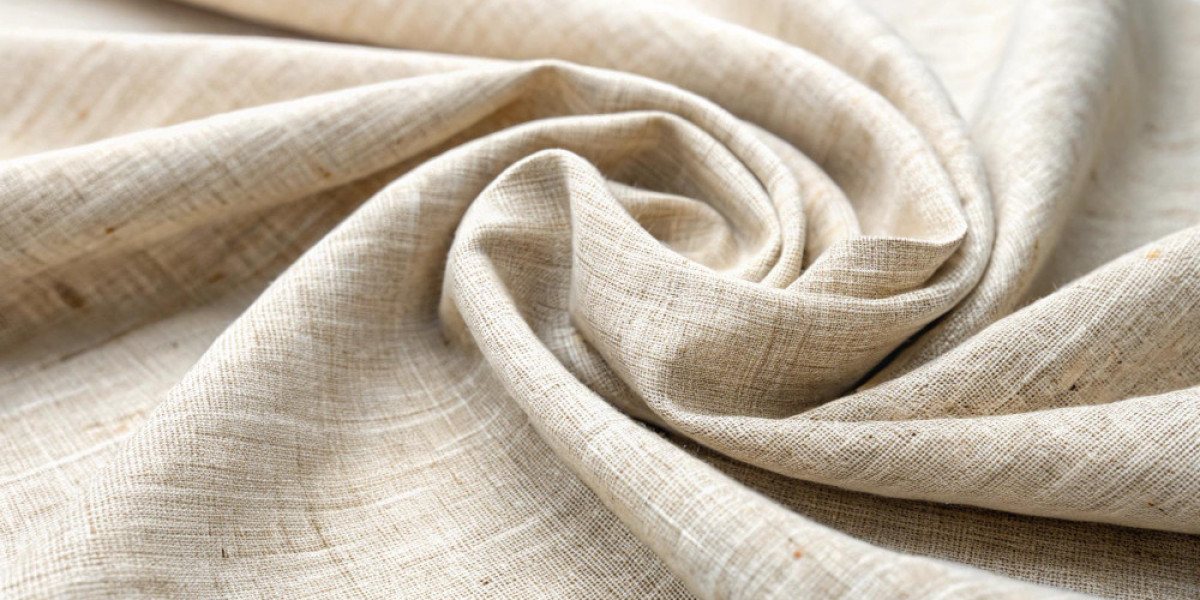
A good test is to hold the fabric up to the light. You should see a relatively even texture. While linen has natural "slubs" (small knots), an excessive amount of unevenness or large gaps in the weave indicates poor manufacturing.
3. The Hand Feel
Premium linen fabric has a distinct texture. It feels cool to the touch and crisp. While it starts somewhat stiff, it should not feel scratchy or rough against the skin. One of the unique properties of real flax linen is that it softens with every wash. Low-quality blends or chemically treated linens often feel artificially soft initially but degrade quickly, or they feel permanently coarse.
European Flax vs. Other Varieties
As mentioned, European flax sets the gold standard. But why?
- Tensile Strength: European fibers are longer. Long fibers spin into smoother, stronger yarns. Shorter fibers (often known as "tow") produce fuzzy, rougher yarns that pill easily.
- Color Consistency: The natural retting process in Europe ensures a consistent, natural color before dyeing. This leads to better color absorption and retention.
Flax grown in other regions often faces hotter climates, which can result in coarser fibers. While manufacturers can process these fibers to feel smoother, the mechanical or chemical intervention reduces the lifespan of the garment.
Evaluating Garment Construction
The quality of the fabric is only half the equation. The construction of the garment determines how long it will last. Linen has no natural elasticity, meaning the sewing techniques must account for stress points.
- Seams: Look for finished seams, such as French seams or flat-felled seams. These prevent fraying, which is a common issue with loose-weave fabrics.
- Stitching: High stitch counts per inch indicate a stronger hold. If the stitches look long and loose, the seam will likely pull apart after a few wears.
- Reinforcement: Quality linen clothing often includes reinforcement at stress points like pockets and buttonholes.
When you look for fabric wholesale suppliers, asking about these construction standards is crucial for your brand's reputation.
The Functional Benefits of High-Grade Linen
Investing in high-quality linen fabric clothing offers specific functional advantages that cheaper synthetics or low-grade cotton cannot match.
Breathability and Thermoregulation
Linen is highly breathable. The hollow structure of the flax fiber allows air to circulate freely and moisture to evaporate quickly. This makes it a natural insulator: it keeps you cool in summer and warm in winter. Low-quality linen blends often mix flax with polyester, which blocks this airflow and traps heat.
Longevity and Durability
Flax is 30% stronger than cotton. A well-made linen shirt can last for decades. In fact, many heirloom linens are passed down through generations. Lower-grade fabrics wear out, thin, and tear within a few seasons.
Hypoallergenic Properties
Pure linen is naturally hypoallergenic and resistant to bacteria and fungus. This makes it an excellent choice for sensitive skin. Chemical processing used in cheaper alternatives can strip the fiber of these natural properties.
Sourcing the Best Linen: Fabriclore
Finding reliable suppliers is the first step in securing quality material. Fabriclore stands out as a premier destination for those seeking top-tier textiles. As one of the best local and online stores, Fabriclore connects designers and consumers with high-quality fabrics sourced directly from trusted artisans and manufacturers.
Whether you need to buy fabric online for a personal project or require fabric wholesale quantities for a fashion line, Fabriclore offers transparency in sourcing and quality assurance. Their platform simplifies the procurement process, ensuring you get materials that meet the rigorous standards discussed in this guide.
Care Instructions for Longevity
To maintain the quality of premium linen, proper care is essential.
- Wash Cycles: Use a gentle cycle with lukewarm water. Hot water can shrink the fibers.
- Detergent: Use mild detergents. Avoid bleach, which weakens the fibers and alters the color.
- Drying: Air drying is best. If you must use a dryer, remove the item while it is still slightly damp to prevent permanent creasing and stiffness.
- Ironing: Iron while the fabric is damp. Use a medium-hot setting. For a relaxed look, you can skip ironing altogether; high-quality linen has a natural, elegant drape even when wrinkled.
Why Standards Matter
Prioritizing quality standards in linen fabric is a practical financial decision. High-quality linen garments do not need frequent replacement. They offer superior comfort and retain their shape and texture over time.
For fashion brands, using certified, high-grade linen builds trust with customers. For the individual, it builds a wardrobe that functions better and lasts longer. When you verify the origin, density, and construction of your linen, you ensure that you are buying a product that delivers on its promises.