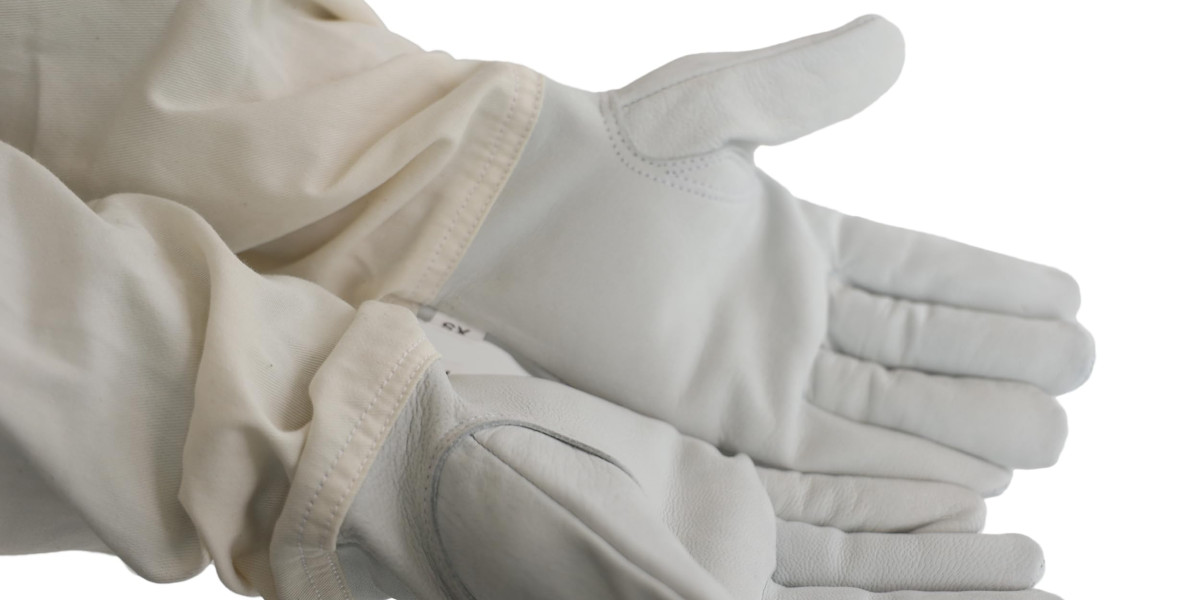

Beekeeping gloves play a vital role in keeping hive inspections safe and controlled, and choosing reliable beekeeping gloves from Bebees helps beekeepers work with confidence and calmness around their bees. During hive inspections, your hands are constantly in contact with frames, comb, and moving bees. The right gloves protect your hands from stings, support steady movements, and help maintain a peaceful hive environment. Understanding how gloves improve safety, comfort, and hive control allows beekeepers to work more smoothly and avoid unnecessary stress for both themselves and their bees.
Why Beekeeping Gloves Are Essential for Safety
Bees are sensitive to sudden movement, pressure, and vibration. Unprotected hands are more likely to react quickly when stung, which can disturb the hive and trigger defensive behavior.
Beekeeping gloves improve safety by:
Protecting hands from painful stings
Reducing fear and panic reactions
Preventing sudden hand jerks
Allowing inspections to continue calmly
When hands feel protected, beekeepers move more slowly and deliberately, which helps keep bees calm.
How Gloves Support Hive Control
Hive control depends largely on calm, steady handling. Gloves help beekeepers maintain control by reducing discomfort and improving confidence.
Gloves support better hive control by:
Allowing gentle frame handling
Reducing accidental bee crushing
Helping maintain steady grip
Encouraging relaxed, controlled movements
Calm handling supported by gloves leads to calmer hive behavior.
Types of Beekeeping Gloves Explained
Different gloves offer different levels of protection and control. Choosing the right type depends on experience level and hive conditions.
Common glove types include:
Leather gloves for strong sting protection
Thin synthetic gloves for higher sensitivity
Hybrid gloves combining protection and flexibility
Each type offers a different balance between safety and precision.
Leather Gloves: Maximum Protection and Stability
Leather gloves are widely used because they provide reliable sting resistance and durability. They are especially useful for beginners and during unpredictable hive conditions.
Leather gloves help by:
Blocking most bee stings
Reducing pain from minor stings
Providing a secure grip on frames
Supporting steady hand movements
Thicker leather offers maximum protection, while softer leather improves flexibility.
Thin Gloves and Sensitivity-Based Options
Thin gloves allow beekeepers to feel subtle movements inside the hive. These gloves are usually preferred by experienced beekeepers working with calm colonies.
Thin gloves:
Improve touch sensitivity
Allow precise movements
Offer less sting protection
They are best used when hive temperament is gentle and handling skills are well developed.
Proper Fit Improves Safety and Control
Glove fit directly affects safety and hive control. Poorly fitting gloves can cause mistakes and frustration.
A proper glove fit should:
Feel snug but comfortable
Allow full finger movement
Stay secure during inspections
Avoid excess material at fingertips
Correct fit improves grip and reduces accidental bee crushing.
Comfort Plays a Major Role in Hive Work
Uncomfortable gloves can cause fatigue, sweating, and rushed inspections. Comfort directly affects how calmly a beekeeper works.
Comfortable gloves help beekeepers:
Stay patient during long inspections
Maintain steady hand movements
Focus on hive behavior instead of discomfort
Keep bees relaxed
Breathable materials and flexible designs improve comfort in warm conditions.
Clean Gloves Help Maintain Hive Calm
Dirty gloves carry hive odors, propolis, and alarm pheromones that can irritate bees and increase defensive behavior.
Clean gloves help by:
Presenting neutral scents
Reducing aggressive responses
Supporting calmer inspections
Regular cleaning improves both safety and hive control.
Proper Use of Beekeeping Gloves
Wearing gloves correctly is just as important as choosing the right pair. Gentle handling maximizes glove effectiveness.
Proper glove use includes:
Moving hands slowly and deliberately
Avoiding tight gripping of frames
Handling bees with minimal pressure
Removing gloves carefully after inspections
Correct use prevents stress and reduces sting risk.
Adjusting Gloves Based on Hive Conditions
Hive temperament can change from day to day. Experienced beekeepers adjust glove choice based on conditions.
Extra protection is helpful when:
Working with new or unfamiliar hives
Bees are defensive due to weather or season
Inspections are longer than usual
There is no single glove for every situation.
Final Thoughts
This beekeeping gloves guide shows how the right gloves improve safety, comfort, and hive control. Gloves protect hands from stings, reduce panic reactions, and support calm, steady handling. Proper fit, comfort, cleanliness, and correct use all play a role in effective hive management. When hands feel safe and comfortable, bees remain calmer and inspections become smoother. With the right gloves, beekeeping becomes safer, more controlled, and far more enjoyable. ??