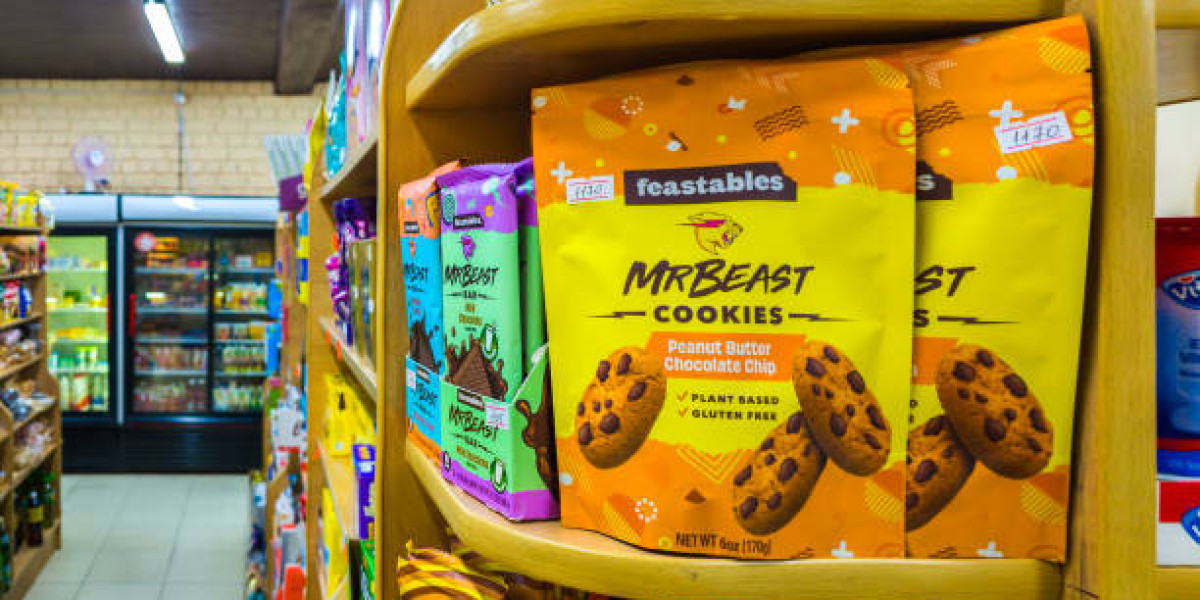

The consumer packaged goods (CPG) industry has long relied on traditional marketing strategies, including TV advertisements, celebrity endorsements, and large-scale retail campaigns. These methods have been the staple for companies looking to reach a broad audience and promote their products. However, with the rise of social media and digital platforms, a new wave of marketing has emerged, spearheaded by influencers with large online followings. One of the most significant disruptions in the CPG space comes from YouTube sensation MrBeast (Jimmy Donaldson), who, through his chocolate brand, Feastables, is reshaping how CPG brands approach consumer engagement, influencer partnerships, and data-driven marketing.
Feastables: A Disruptor in the CPG Market
MrBeast launched Feastables in January 2022 with a simple yet highly effective marketing strategy: use his massive digital presence to promote a high-quality, straightforward chocolate product. Within 72 hours, Feastables had sold over 1 million chocolate bars, generating more than $10 million in sales. This rapid success highlighted the power of influencer-led marketing and set the stage for a new kind of product launch in the CPG industry. By 2023, Feastables was projected to generate $200 million in revenue, an impressive milestone for a brand that had only been in the market for a year. MrBeast himself predicted that Feastables could eventually reach $500 million in annual revenue, which speaks to the growing influence of digital creators in the consumer goods sector.
What makes Feastables stand out is its unique approach to marketing. Rather than relying on traditional advertising tools, Feastables created a viral buzz through its interactive and experiential marketing strategies. This approach helps build a loyal customer base by deeply engaging with audiences and encouraging them to feel part of the brand’s journey. By blending physical products with digital engagement, Feastables crafted a multi-channel experience that enhanced its brand identity and customer loyalty.
New Marketing Approaches: Digital Engagement and Experiential Campaigns
Feastables' success story is a prime example of the importance of understanding digital engagement and consumer behavior in today’s market. MrBeast’s marketing strategy goes beyond the conventional, focusing on delivering immersive and interactive experiences for consumers. Instead of relying solely on traditional celebrity endorsements or static advertisements, Feastables integrates experiential marketing, creating opportunities for deeper engagement and fostering stronger connections with customers.
For example, Feastables includes QR codes on its product packaging, which direct consumers to exclusive online content, contests, and sweepstakes. This interactive strategy not only extends the engagement beyond the initial purchase but also helps build a sense of community among consumers. By incentivizing customers to engage with the brand continuously, Feastables has cultivated a customer base that is emotionally connected to the brand and invested in its success. This approach highlights the power of blending traditional retail with digital engagement, which ultimately enhances customer loyalty and brand identity.
Another crucial factor in Feastables' marketing success is MrBeast’s commitment to philanthropy. His brand is not only about selling chocolate—it’s about aligning with his larger mission of generosity and social impact. By incorporating his philanthropic efforts, such as large-scale charity events and donations, into the brand’s identity, Feastables connects with younger, socially conscious consumers who want their purchases to reflect shared values. A recent Sprout Social survey found that 64% of Gen Z consumers want brands that genuinely connect with their audience, making social responsibility a key component of successful modern marketing strategies.
Influencer Credibility and Trust: The Key to Success
One of the primary reasons for Feastables’ success is MrBeast's unparalleled credibility with his followers. Unlike traditional celebrities, whose public personas may feel distant or detached from their audience, influencers like MrBeast have cultivated authentic, personal relationships with their followers. This personal connection breeds trust, a crucial element for modern consumer relationships.
Studies support the growing importance of trust in influencer marketing. According to a 2023 survey by Influencer Marketing Hub, 70% of consumers say they are more likely to purchase a product endorsed by an influencer they trust. For CPG brands, partnering with trusted influencers like MrBeast is a smart strategy to enhance credibility and establish more meaningful relationships with their target audiences.
MrBeast’s relationship with his followers extends to Feastables, where consumers know they are supporting a brand that embodies their values. This level of authenticity is increasingly important to younger generations, particularly Gen Z and Millennials, who prioritize brands that align with their ethical, social, and cultural values. For CPG executives, this presents an opportunity to build more personal and meaningful connections with digitally savvy consumers by leveraging influencer relationships that reflect shared values.
Data-Driven Decision-Making: Enhancing Consumer Engagement
The success of Feastables is also a testament to the growing importance of data-driven marketing. The rise of digital platforms provides CPG companies with detailed insights into consumer behavior, enabling them to tailor their marketing efforts to meet the specific needs of their target audiences. Feastables has proven to be a prime example of how data can inform not only marketing strategies but also product development.
Feastables collects and analyzes real-time feedback and engagement analytics, enabling the brand to stay ahead of consumer preferences and make quick adjustments. Whether it’s tweaking product flavors, launching new campaigns, or adjusting messaging, Feastables is able to rely on consumer insights to make informed decisions. This agility in marketing and product development is a sharp contrast to the more traditional, slower-moving strategies of legacy CPG brands, which are often more reactive than proactive.
By collecting data on how consumers engage with their content, Feastables can refine their marketing efforts and ensure they are targeting the right audience with the right message. By continually optimizing their campaigns based on real-time insights, Feastables maximizes its return on investment and drives sustainable growth.
The Challenges of Influencer-Led Brands
Despite its early successes, Feastables faces several risks. One significant challenge is the sustainability of its momentum. The novelty of influencer-driven brands can wear off, and maintaining consumer interest over time is not guaranteed. As such, Feastables will need to continue innovating to keep its audience engaged and avoid the pitfalls that many influencer-led brands face once their initial hype subsides.
Feastables also runs the risk of over-relying on MrBeast as the face of the brand. While his influence is undeniably powerful, the brand's long-term success will depend on its ability to scale beyond a single personality. Should public sentiment towards MrBeast shift for any reason, it could negatively impact the brand. Therefore, Feastables must strive to build a diverse brand identity that isn't entirely tied to one individual.
Moreover, the scalability of influencer-driven brands presents unique challenges. Feastables has made significant strides in building its brand, but it must continue to manage its supply chain, production, and distribution effectively to meet growing demand. Unlike traditional CPG companies, which excel in these areas, Feastables must adapt established CPG practices while maintaining its unique, influencer-driven identity.
A Comparison: Prime Hydration’s Journey
Feastables is not the only influencer-driven brand to have experienced significant success. Prime Hydration, co-founded by influencers Logan Paul and KSI, is another example of an influencer-led product that has made waves in the market. Launched in 2022, Prime saw explosive sales, with $1.2 billion in revenue reported in 2023. However, the brand experienced a significant decline in sales in 2024, with figures showing a £63.1 million drop. This shift highlights the volatility of influencer-driven brands, where success can be fleeting if not supported by sustained innovation and consumer engagement.
In contrast, Feastables has avoided the pitfalls that affected Prime Hydration, largely due to its focus on consumer engagement, strong brand values, and data-driven marketing. This comparison offers important lessons for CPG brands: while influencer marketing can provide significant initial success, building a sustainable, long-term brand requires continuous effort in engagement, innovation, and consumer insights.
Key Takeaways for CPG Executives
The rise of Feastables and other influencer-driven brands offers several important lessons for executives in the CPG industry:
Digital Engagement is essential for connecting with modern consumers. Brands must adopt a more agile, interactive approach to marketing that integrates digital and traditional retail experiences.
Influencer Partnerships are not just about leveraging the celebrity of influencers; they are about aligning with personalities whose values resonate with the target audience. Building trust through authentic relationships is crucial for long-term success.
Data-Driven Decision Making is vital for staying competitive. By utilizing consumer insights and real-time analytics, CPG brands can refine their marketing strategies and ensure they are meeting consumer demands effectively.
The Future of CPG Marketing
The rise of brands like Feastables signifies a major shift in the CPG industry. Influencer-led marketing has the potential to challenge traditional market leaders, but sustaining long-term growth requires careful attention to both digital engagement and the operational strengths of legacy CPG practices. For CPG executives, the key to success lies in adapting quickly to the evolving market, embracing influencer partnerships, and leveraging data-driven strategies to build authentic connections with consumers. Brands that can balance these elements will be best positioned to thrive in this new digital landscape.