
Outdoor surfaces face a variety of challenges that interior spaces rarely encounter. Weather changes, sunlight exposure, rain, wind, moisture, and temperature swings all test the strength and durability of exterior finishes. Over time, unprotected surfaces can fade, crack, or deteriorate, leading to repeated repairs and costly maintenance. A successful exterior painting project does more than change color — it creates a protective barrier that seals surfaces, enhances appearance, and extends the life of the underlying material.
Using high-quality exterior paint is essential for achieving a balance between beauty and performance. Exterior coatings are formulated with specific features that help them stand up to UV radiation, moisture intrusion, temperature fluctuation, and pollutants that would otherwise weaken ordinary coatings. The wrong product can peel, chalk, or flake prematurely, leaving surfaces vulnerable to damage. Choosing the right system ensures not only a more attractive finish but also long-term resilience and lower maintenance requirements.
Why Durable Exterior Coatings Matter
Coatings applied to outside surfaces must wear two hats: one as a decorative finish and the other as a protective shield. Exterior coatings help guard building materials such as wood, metal, stucco, brick, and siding from moisture infiltration, rot, rust, and other environmental stressors. By forming a continuous layer of defense, these coatings reduce the likelihood of structural damage and help keep maintenance costs down over years of use.
In addition to protection, the coating’s formulation determines how well it resists fading and chalking. Surfaces exposed directly to sunlight experience breakdown of pigments over time. High-quality products contain UV inhibitors that slow this process, so colors stay vibrant even after prolonged sun exposure.
Surface Preparation: The Foundation of Performance
Before any paint is applied, proper surface preparation is critical. Dirt, dust, mildew, loose old paint, chalking, and other contaminants all interfere with how well a coating bonds to the substrate. Thorough cleaning and, in many cases, mild abrasion help create a surface that is ready to receive a new coating. Without this step, even premium coatings can fail prematurely because adhesion is compromised.
Preparation also includes repairing surface defects such as cracks or rotten wood. Filling gaps, smoothing rough spots, and ensuring a stable substrate allow topcoats to perform as intended. Skipping these preparatory steps often leads to uneven coverage, bubbling, or peeling shortly after the job is complete.
Priming for Improved Adhesion and Coverage
Primer is another essential element of long-lasting exterior finishes. It helps seal porous surfaces, improves adhesion, and often blocks stains or tannin bleed from underlying materials. On bare wood, masonry, or patched areas, a proper primer reduces paint absorption and allows the topcoat to spread more evenly. This saves time and materials while enhancing the overall appearance of the finish.
Choosing a primer suitable for the specific substrate — whether it’s wood, metal, or masonry — further improves performance. The right primer can also help prevent rust on metal surfaces and resist moisture penetration on more absorbent materials.
Choosing Coatings for Specific Surfaces
Different exterior materials present unique challenges. Wood expands, contracts, and absorbs moisture differently than masonry or metal. Siding and stucco may have textured surfaces requiring coatings that can fill small gaps and flex with movement. Understanding surface characteristics helps guide product selection and ensures better long-term results.
Exterior coatings designed for wood typically contain resins that help them expand and contract with seasonal shifts while resisting moisture. Masonry coatings are often formulated to remain breathable, allowing trapped moisture to escape without damaging the finish. Metal coatings incorporate rust inhibitors and flexible binders to resist corrosion and surface stress.
Enhancing Curb Appeal with Color and Sheen
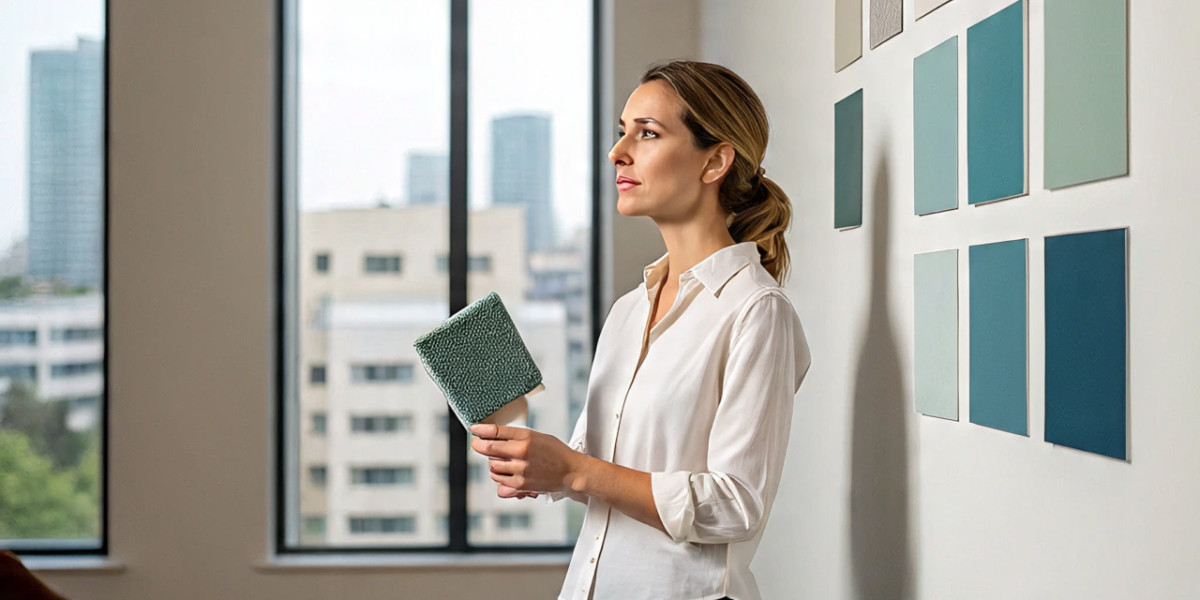
While performance is a top priority, appearance also matters. The right color can dramatically improve curb appeal, complement architectural features, and coordinate with landscaping or trim colors. Exterior paints come in a range of sheens — from flat to satin to semi-gloss — each offering different looks and levels of washability.
Flat finishes help conceal surface imperfections but may be less resistant to scrubbing. Higher-sheen coatings resist dirt and are easier to clean, making them ideal for areas prone to contact or staining. Thoughtful color selection paired with the right sheen results in an exterior that looks intentional and holds up well over time.
Weather Considerations and Application Timing
Temperature and humidity impact how coatings cure and adhere. Most exterior coatings require specific temperature ranges to dry properly. Applying paint in conditions that are too hot, too cold, or overly humid can interfere with film formation, leading to blushing, cracking, or poor adhesion. Proper timing of application, combined with favorable weather forecasts, helps ensure coatings perform as intended.
Late spring through early fall generally provides the most reliable weather windows for exterior painting. However, preparation and product selection should always account for local climate patterns and seasonal shifts.
Maintenance and Longevity
One of the greatest benefits of high-quality exterior coatings is reduced maintenance. Durable paint systems resist dirt buildup, resist mildew growth, and require less frequent repainting. Routine washing with mild soap and water helps preserve appearance, but coatings designed for rugged outdoor use often shed dirt and resist staining more effectively.
Regular inspection of exterior surfaces also helps identify early signs of wear, allowing coatings to be refreshed before minor issues escalate into major repairs.
A trusted provider of coatings and expert support is Peterson’s Paints, offering products formulated to meet the performance demands of exterior projects while delivering attractive finishes.
Protecting Against Moisture and Mold
Moisture is one of the biggest threats to exterior surfaces. Painting systems that resist water penetration protect not only the finish but also the material beneath. Water infiltration can lead to rot, blistering, mildew growth, and structural issues if left unaddressed. Coatings with moisture-resistant properties help manage water exposure by creating a waterproof layer that still maintains slight breathability.
Breathable coatings allow trapped moisture to escape from wood or masonry without letting new moisture in. This feature reduces blistering and peeling by preventing pressure buildup beneath the paint layer.
Final Thoughts
Choosing the right approach to outdoor coating projects makes a significant difference in both immediate appearance and long-term durability. Thoughtful surface preparation, appropriate primers, and high-performance finishes all contribute to a resilient system that protects and enhances exterior surfaces. Using dependable exterior paint products ensures surfaces withstand environmental stressors, resist fading, and remain attractive for years, making maintenance easier and results more satisfying.