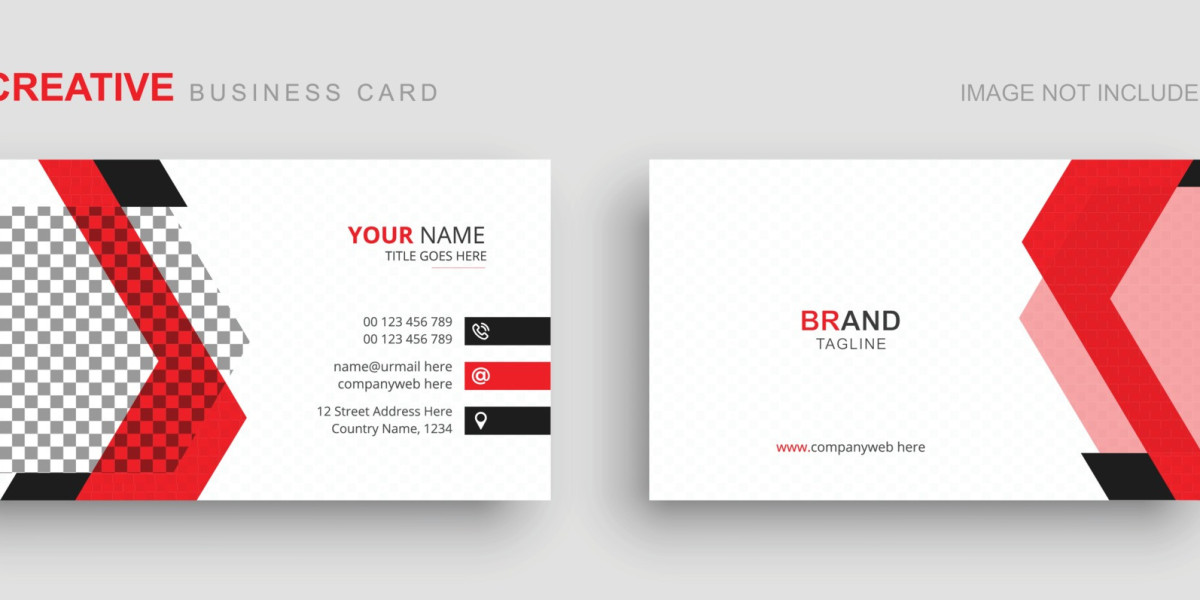

First impressions matter in the business world more than ever before. Your business card represents your brand identity before any conversation begins. Small business owners need cards that stand out from generic templates. The right design can transform a simple card into a marketing tool.
Understanding the Power of Business Card Design
A well-crafted business card serves multiple purposes for small businesses today. It conveys professionalism while reflecting your unique brand personality and values. Your card should communicate what makes your business special and memorable. Think of it as a miniature billboard for your company.
Modern consumers appreciate creativity paired with functionality in business materials. Your card needs to balance visual appeal with clear contact information. The texture, color, and overall design speak volumes about your brand. Every element should align with your business identity and target audience.
Innovative Material Choices That Make an Impact
Traditional paper cards still work, but alternative materials create lasting impressions. Wood veneer cards offer a natural, eco-friendly option that feels premium. Metal cards convey luxury and durability for high-end service providers. Plastic cards withstand wear better than paper in demanding work environments.
Recycled materials appeal to environmentally conscious customers and showcase your values. Cork cards provide unique texture while supporting sustainable business practices. Fabric cards work beautifully for fashion designers and creative professionals. The material you choose tells a story about your brand.
Textured finishes add depth without requiring expensive specialty materials or printing. Linen finishes create sophistication suitable for professional services and consultants. Spot UV coating highlights specific elements like logos or taglines effectively. Embossing techniques add dimension that people notice when they touch it.
Color Psychology in Business Card Design
Colors trigger emotional responses that influence how people perceive your business. Blue conveys trust and reliability, making it popular among financial services. Green suggests growth and health, perfect for wellness and environmental businesses. Red creates urgency and passion, ideal for food and entertainment industries.
Neutral colors like gray and beige communicate professionalism and timeless elegance. Black cards exude luxury and sophistication for premium service providers. White space allows important information to breathe and improves overall readability. Your color palette should match your existing brand guidelines consistently.
Consider cultural associations when choosing colors for your target market demographics. Some colors carry different meanings across various cultures and geographic regions. Test color combinations to ensure text remains readable under different lighting. The contrast between background and text affects usability more than aesthetics.
Typography That Speaks Volumes
Font selection impacts readability and reinforces your brand personality through design. Serif fonts like Times suggest tradition and reliability for established businesses. Sans-serif options like Helvetica feel modern and clean for tech companies. Script fonts add elegance but require careful sizing for legibility.
Limit your card to two complementary fonts to maintain visual hierarchy. Your business name deserves the most prominent treatment and positioning. Contact information should remain clear even in smaller point sizes. Avoid overly decorative fonts that sacrifice readability for style alone.
Letter spacing and line height affect how easily people process information. Tight spacing can make cards feel cluttered and overwhelming to read. Strategic use of bold or italic text draws attention strategically. Your typography choices should reflect the tone of your business voice.
Strategic Use of White Space
Empty space on your card isn't wasted—it's a powerful design element. White space guides the eye toward your most important information naturally. Cluttered cards overwhelm recipients and reduce the likelihood they'll keep it. Clean designs feel more professional and easier to process quickly.
Margins prevent your design from feeling cramped or cut off after printing. Strategic spacing between elements creates visual breathing room that improves comprehension. Consider leaving one side minimal or even completely blank for notes. Recipients often appreciate space to jot down meeting details or reminders.
Unique Shapes and Die-Cut Designs
Standard rectangular cards work fine, but unique shapes create memorable experiences. Rounded corners soften your card's appearance and feel pleasant to handle. Die-cut shapes that reflect your industry make immediate visual connections. A fitness trainer might use a dumbbell shape strategically and creatively.
Custom shapes cost more but deliver significantly higher memorability and retention. Ensure your unique shape still fits standard card holders and wallets. Folded cards double your space for information or creative presentations. The shape should enhance your message rather than overshadow it completely.
Interactive and Functional Card Features
Adding functionality transforms your card from static information to a useful tool. Perforated edges create tear-off coupons that encourage immediate customer action. Cards with seed paper can be planted, aligning with eco-friendly values. QR codes bridge physical cards with digital portfolios and social media.
Transparent or translucent cards create intrigue when held up to light. Pop-up elements add three-dimensional surprise that people remember and discuss. Cards doubling as bookmarks serve photographers, authors, and creative professionals well. The functionality should align naturally with your business type and offerings.
Techniques like blind embossed business cards create subtle sophistication through tactile elements. These raised designs work without ink, letting texture communicate elegance effectively. Such details demonstrate attention to quality that reflects business standards overall.
Incorporating Your Brand Story
Your card should hint at your business journey or mission statement. A tagline communicates your value proposition in just a few words. Including your founding year builds credibility for established small businesses. Symbols or icons that represent your industry create instant recognition.
Consider featuring a signature product, service, or achievement on your design. Customer testimonials or ratings can build immediate trust with new contacts. Your card design should feel cohesive with other marketing materials consistently. Every element contributes to telling your unique business narrative effectively.
Digital Integration for Modern Networking
Smart cards with NFC technology allow instant digital information transfer today. QR codes connect physical cards to online portfolios, websites, or media. Include social media handles where your business actively engages with customers. LinkedIn profiles work particularly well for business-to-business service providers professionally.
Digital contact sharing doesn't replace physical cards—it enhances their value significantly. Many professionals appreciate having both options available during networking events daily. Your digital presence should mirror the quality of your physical design. Ensure all links work properly before printing thousands of cards.
Making Your Card Selection Count
Your business card investment should align with your overall marketing budget. High-quality cards cost more initially but create better long-term impressions. Order small batches first to test designs before committing to quantity. Keep your cards updated as contact information or branding evolves naturally.
The perfect business card balances creativity with practicality for your audience. Test different designs with trusted colleagues or customers before final printing. Your card should make recipients want to keep it handy. Remember that every card you distribute represents a networking opportunity waiting.