
When it comes to embroidery, most people focus on thread colors, fabric types, and machine quality. But there is one important detail that often gets overlooked — embroidery file formats.
Behind every perfectly stitched logo or design is a file that tells the embroidery machine exactly what to do. If the file format is wrong or poorly created, even the best embroidery machine cannot produce clean results. That is why understanding PES format embroidery and other embroidery file formats is essential for anyone in the embroidery business.
Let’s break it down in simple terms.
What Is PES Format Embroidery?
PES format embroidery is a file type primarily used by Brother and Baby Lock embroidery machines. PES files contain detailed stitch data, including:
Stitch coordinates
Color sequence information
Design size
Thread changes
Design preview data
Unlike some basic file types, PES format embroidery files often include more complete design information, which makes them user-friendly and highly compatible with home and commercial Brother machines.
If you own a Brother embroidery machine, chances are you are working with PES files regularly.
Why PES Format Embroidery Is So Popular
There are many embroidery file formats available, but PES remains one of the most widely used. Here’s why:
1. Strong Machine Compatibility
PES files are specifically designed for Brother and Baby Lock machines, making them reliable and easy to load.
2. Detailed Color Information
Unlike some formats that only store stitch paths, PES files often include color data, which helps with smoother production.
3. Clean Design Preview
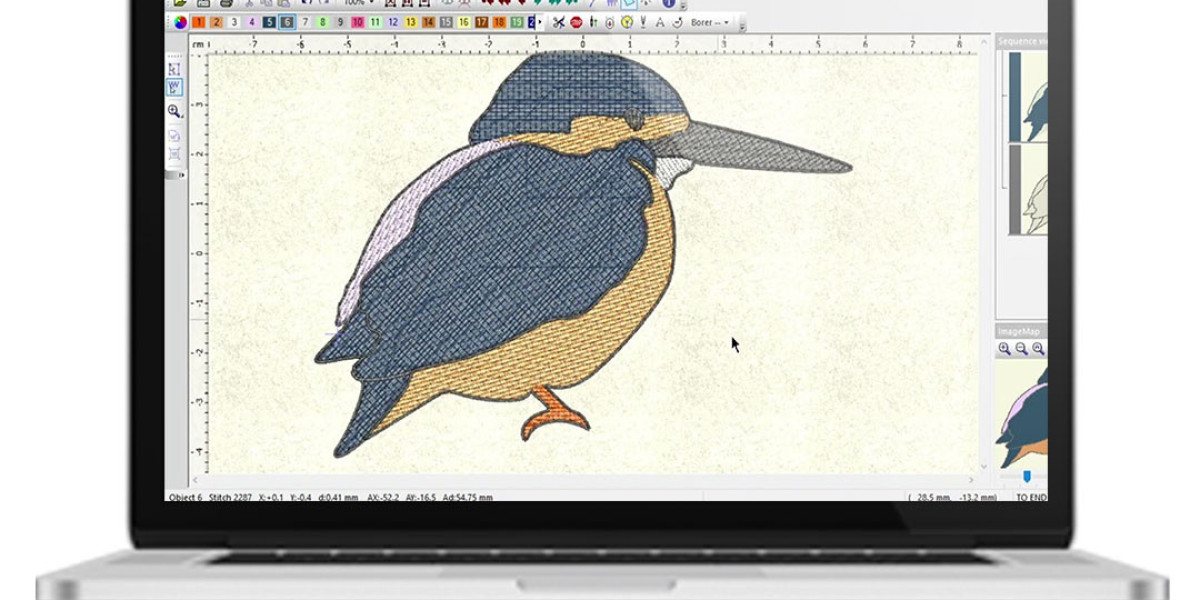
Many machines display a visual preview of PES format embroidery files, making placement and alignment easier.
4. Ideal for Home and Small Businesses
Because Brother machines are popular among small embroidery businesses and hobbyists, PES has become a standard choice.
Understanding Embroidery File Formats
Embroidery file formats are not just image files. They are machine instruction files. They tell the machine:
Where to stitch
When to trim
When to change colors
How to move from one section to another
Each format is built differently depending on the machine brand.
Some common embroidery file formats include:
DST
PES
EXP
JEF
VP3
HUS
Each machine brand supports specific formats. Using the wrong format can result in errors or unreadable files.
The Difference Between PES and Other Embroidery File Formats
Let’s compare PES format embroidery with other commonly used formats.
PES vs DST
DST is widely used in commercial machines. It mainly stores stitch data but does not carry detailed color information like PES. PES files are more detailed and often better suited for Brother machines.
PES vs JEF
JEF is used by Janome machines. While similar in function, it is not compatible with Brother machines without conversion.
PES vs EXP
EXP files are often used by Melco and Bernina machines. They are simpler and may require separate color files.
The key takeaway is this: embroidery file formats are machine-specific. You cannot simply use one format on every machine unless it supports that format.
Why Proper Digitizing Matters More Than Format
While choosing the right embroidery file format is important, the quality of digitizing matters even more.
A poorly digitized PES format embroidery file can still cause:
Thread breaks
Fabric puckering
Uneven stitches
Poor lettering clarity
A professionally digitized file ensures:
Balanced stitch density
Correct underlay
Smooth stitch sequencing
Clean trims
Optimized stitch count
The file format is the container. Digitizing is the foundation.
How to Choose the Right Embroidery File Format
Here are simple steps to choose correctly:
Check your embroidery machine brand and model.
Confirm the supported embroidery file formats in the machine manual.
Request the correct format from your digitizer.
Test the file on scrap fabric before full production.
If you use a Brother machine, PES format embroidery is usually your best option.
Common Problems Caused by Wrong File Formats
Using incorrect embroidery file formats can lead to:
Machine not recognizing the design
Missing color sequences
Incorrect sizing
Stitch distortion
Production delays
These small mistakes can cost time and materials. That is why working with an experienced digitizer who understands multiple embroidery file formats is essential.
Human Side of Embroidery Digitizing
Embroidery is not just technical work. It represents brands, memories, teams, and businesses.
When someone sends a logo for digitizing, it often carries meaning — a startup launching its first apparel line, a sports team preparing uniforms, or a company refreshing its brand identity.
Understanding PES format embroidery and other embroidery file formats ensures those designs stitch perfectly. Because when embroidery looks clean and professional, it builds confidence and trust.
Final Thoughts
Embroidery file formats may seem like a small technical detail, but they play a major role in production success. PES format embroidery remains one of the most popular choices, especially for Brother machine users, because of its compatibility and detailed design data.
However, the real key to flawless embroidery is combining the correct file format with high-quality professional digitizing.
When the format is correct and the digitizing is precise, your embroidery machine performs smoothly, your designs look sharp, and your final product stands out.
Understanding embroidery file formats is not just about files. It is about achieving consistent, professional embroidery every time.