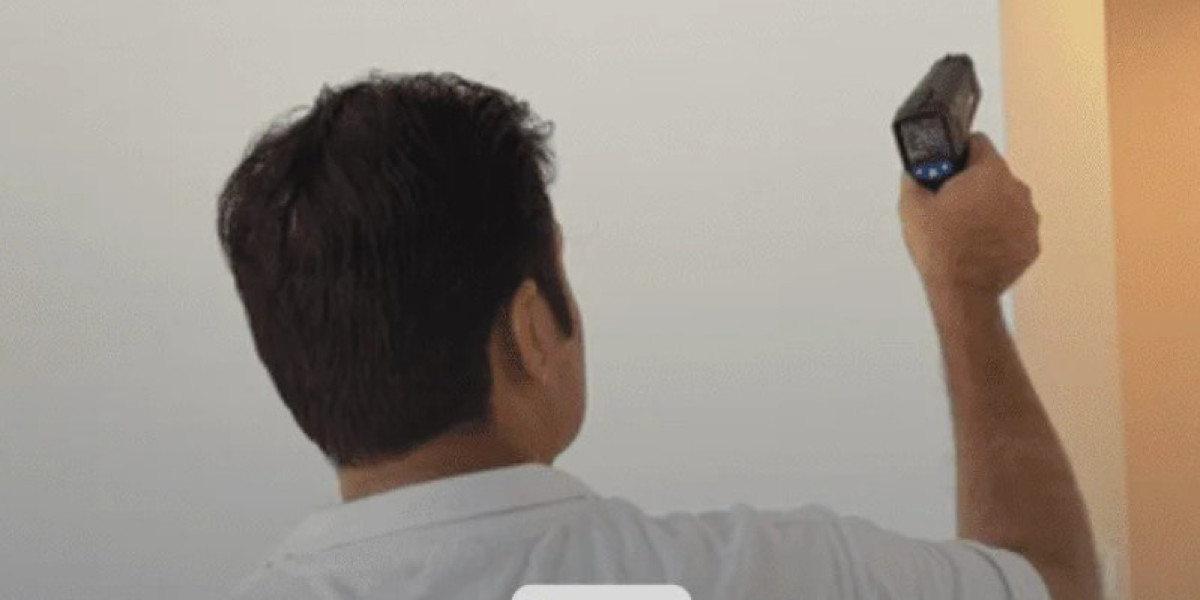

Purchasing a new property is a major achievement. Everything looks modern, freshly painted, and perfectly finished. However, even brand-new homes can contain hidden defects. This is why snagging is an essential step for every new home buyer.
Snagging is the process of inspecting a newly built property to identify faults, unfinished work, or construction defects before fully accepting it from the developer. Many buyers believe a new build home should be flawless, but in reality, small building issues are very common. A proper snagging inspection helps ensure that your investment is protected and that all problems are corrected early.
What Is Snagging in Property?
Snagging refers to creating a detailed list of defects found in a new build property. These defects, often called “snags,” can include cosmetic issues like uneven paint or cracked tiles, as well as more serious problems such as plumbing leaks or electrical faults.
Property snagging covers both visible and hidden issues. While some defects are easy to notice, others may require technical knowledge to identify. A professional snagging survey is designed to check every area of the home carefully, ensuring it meets construction and safety standards.
New build snagging is especially important because construction projects often involve multiple contractors working under tight deadlines. Small mistakes can easily be overlooked without a thorough inspection.
Why Snagging Is Important for New Home Buyers
Snagging plays a critical role in protecting your financial investment. Buying a home is expensive, and repair costs can quickly increase if defects are not addressed early. A detailed snagging inspection ensures that the developer fixes any issues before they become long-term problems.
Most new homes come with a structural warranty. For example, many properties in the UK are covered by the National House Building Council, which provides protection against major building defects. Reporting issues during the warranty period ensures repairs are completed without additional cost.
Another reason snagging is important is safety. Faulty wiring, poor insulation, or improper plumbing installations can create serious risks. A professional snagging inspection for new build homes ensures your property is safe and built according to regulations.
When Should You Conduct a Snagging Inspection?
The best time to carry out snagging is before legal completion or immediately after receiving the keys. Inspecting the property before moving in makes it easier to check floors, walls, ceilings, and fittings without obstruction.
Some homeowners choose to arrange a professional snagging survey within the first two weeks of ownership. Others conduct an additional inspection before the end of the first year to catch defects that appear after living in the home.
Timing is important because most builders have specific periods during which they are responsible for repairs. Acting early increases the chances of resolving all construction faults efficiently.
What Does a Professional Snagging Survey Include?
A comprehensive snagging survey covers both interior and exterior areas of the property. Inside the home, inspectors check plastering quality, paint finishes, flooring alignment, and tile installation. Doors and windows are examined for smooth operation and proper sealing.
Plumbing systems are tested for water pressure, leaks, and correct drainage flow. Electrical fittings, including sockets and light switches, are checked to ensure they function safely. Heating systems are reviewed to confirm that radiators and thermostats operate correctly.
Exterior property snagging includes inspecting brickwork, roofing, gutters, and driveways. Common snagging problems in new builds include cracked mortar, poorly fitted roof tiles, blocked drainage systems, and uneven paving.
A professional snagging inspection provides a detailed report with photographic evidence. This report helps homeowners communicate clearly with the builder and request timely repairs.
DIY Snagging vs Hiring a Professional
Some buyers prefer DIY snagging using an online checklist. This approach can help identify obvious cosmetic defects such as scratches or chipped paint. However, without experience in construction standards, it is easy to miss hidden issues.
Hiring a professional snagging company offers greater accuracy. Experienced surveyors understand building regulations and can detect deeper structural concerns. Although the cost of snagging survey services varies depending on property size, many buyers consider it a worthwhile investment.
A professional snagging inspection for new property purchases can prevent expensive future repairs by identifying issues early.
Common Snagging Issues Found in New Builds
New homes often contain minor finishing defects. These may include uneven surfaces, poorly fitted kitchen cabinets, or visible gaps around windows. While cosmetic issues are common, functional problems are more serious.
Plumbing leaks, heating system faults, insulation gaps, and electrical installation errors are frequently discovered during property snagging. Exterior defects such as damaged brickwork or improper drainage can also affect the long-term durability of the home.
Addressing these new build property defects promptly ensures your home maintains its value and structural integrity.
Long-Term Benefits of Snagging
Snagging offers long-term financial and practical benefits. Identifying and fixing defects early reduces maintenance costs and increases property value. It also ensures energy efficiency by correcting insulation or sealing issues.
A thorough snagging inspection provides peace of mind. Knowing that your home has been carefully checked allows you to move in confidently without worrying about hidden construction problems.
Whether you choose DIY snagging or a professional snagging survey, taking this step demonstrates smart homeownership.
Conclusion
Snagging is an essential process for anyone buying a new build property. Even brand-new homes can contain cosmetic flaws and hidden construction defects. Conducting a detailed snagging inspection ensures these problems are identified and corrected before they become costly repairs.
From checking plumbing systems to inspecting brickwork and electrical fittings, property snagging protects your investment and ensures your home meets quality standards. Hiring a professional snagging surveyor provides the most thorough results, but even a careful personal inspection is better than skipping the process entirely.
In the end, snagging is not just about finding faults—it is about securing the quality, safety, and long-term value of your new home.