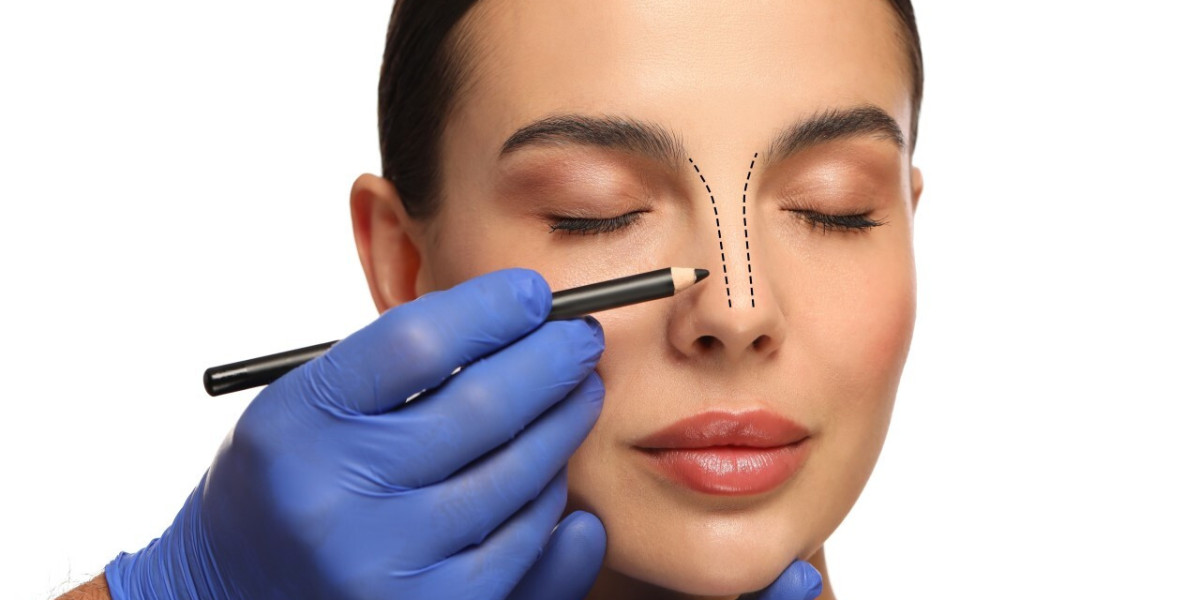

For individuals considering Rhinoplasty in Islamabad, understanding how surgeons approach crooked noses can help set realistic expectations and achieve optimal results.
Causes of a Crooked Nose:
A crooked nose may result from several factors:
- Genetic traits: Natural nasal asymmetry passed down through family lines.
- Trauma or injury: Sports accidents, falls, or vehicle collisions can shift nasal bone and cartilage.
- Previous surgery: Improper healing or structural compromise after prior rhinoplasty may cause asymmetry.
- Congenital abnormalities: Some individuals are born with irregular nasal structure.
Identifying the underlying cause helps the surgeon design a precise surgical plan tailored to the patient’s needs.
Functional and Cosmetic Concerns:
A crooked nose is not just a cosmetic issue. Many patients also experience functional problems, including:
- Nasal obstruction or difficulty breathing
- Chronic sinus issues
- Snoring or sleep disturbances
Rhinoplasty for a crooked nose often addresses both aesthetic and functional concerns simultaneously, resulting in improved appearance and nasal performance.
Surgical Techniques for Correcting a Crooked Nose:
Correcting a crooked nose requires a combination of techniques to adjust bone, cartilage, and soft tissue.
1. Osteotomy (Bone Realignment):
Careful controlled fractures of the nasal bones allow the surgeon to reposition and straighten the bridge. Precision is critical to avoid overcorrection or asymmetry.
2. Cartilage Grafting:
Cartilage from the septum, ear, or rib may be used to support the nasal tip, reinforce weak areas, or fill irregular gaps. Grafting ensures structural stability and long-term symmetry.
3. Septoplasty:
If the nasal septum is deviated, it is corrected during surgery to improve airflow and prevent post-operative breathing issues.
4. Tip Refinement:
Asymmetry in the nasal tip is corrected through sculpting and suturing techniques to achieve balance and harmony with the rest of the nose.
5. Open vs. Closed Rhinoplasty:
Open rhinoplasty allows better visualization for complex crooked noses, while closed techniques may be sufficient for milder deviations. The choice depends on the surgeon’s assessment and surgical goals.
Pre-Operative Evaluation:
Before surgery, patients undergo a comprehensive evaluation, including:
- Detailed physical examination of nasal structure
- Photographs and 3D imaging for surgical planning
- Assessment of breathing and functional issues
- Review of medical history and prior surgeries
This evaluation helps the surgeon develop a customized plan for both aesthetic improvement and functional correction.
Recovery After Surgery:
Recovery from rhinoplasty for a crooked nose follows a standard timeline, though slight variations depend on complexity:
- First week: Swelling and bruising are common; a nasal splint is usually worn.
- 1–2 weeks: Most patients can return to work or school.
- 1–3 months: Swelling gradually reduces, and the nose starts to reveal its refined shape.
- Up to 12 months: Final results, including tip definition and subtle refinements, become fully apparent.
Following post-operative instructions—such as avoiding strenuous activity and protecting the nose—is critical for long-term success.
Risks and Considerations:
As with any surgery, rhinoplasty for a crooked nose carries potential risks, including:
- Residual asymmetry
- Swelling and bruising
- Infection (rare)
- Difficulty breathing if structural support is compromised
- Need for revision surgery
Choosing a qualified and experienced surgeon for Rhinoplasty in Islamabad minimizes these risks and improves the likelihood of a successful outcome.
Realistic Expectations:
It is important to understand that perfect symmetry may not always be achievable. The goal is to create a balanced, straight appearance that complements the rest of the face while restoring nasal function. Minor asymmetries are natural and often unnoticeable.
A detailed consultation allows patients to understand what can be realistically achieved, aligning surgical goals with personal expectations.
Emotional and Psychological Benefits:
Correcting a crooked nose often has significant psychological benefits, including:
- Improved self-confidence and self-image
- Reduced self-consciousness in social situations
- Enhanced overall facial harmony
Many patients report feeling more comfortable and confident following rhinoplasty, which enhances overall quality of life.
Choosing the Right Surgeon:
Success in correcting a crooked nose relies on the surgeon’s expertise. When choosing a surgeon for Rhinoplasty in Islamabad, consider:
- Board certification and specialized training
- Experience with crooked nose correction
- Portfolio of before-and-after photos
- Ability to address both cosmetic and functional concerns
A skilled surgeon ensures a natural, long-lasting result while maintaining nasal function.
Final Thoughts:
Rhinoplasty for a crooked nose is a transformative procedure that improves both appearance and nasal functionality. By carefully evaluating nasal structure, employing precise surgical techniques, and setting realistic expectations, patients can achieve a balanced, straight, and natural-looking nose.
For those considering Rhinoplasty in Islamabad, consulting an experienced surgeon is essential. With proper planning, expert care, and patient commitment to post-operative instructions, rhinoplasty can restore confidence, enhance facial harmony, and improve breathing for a lasting positive impact.
For more information visit Enfield royal clinic in islamabad