
Zeolite catalysts have shaped industrial chemistry for decades. From refining fuels to producing specialty chemicals, these crystalline materials help control reactions with precision that few alternatives can match. However, not all zeolites behave the same way. Their framework structure, pore size, acidity, and stability strongly influence how they perform in real processes.
Among them, the zsm 5 catalyst often stands out as a benchmark. Still, it competes with other zeolite types that serve different needs. Understanding these differences helps engineers and decision-makers choose the right material rather than defaulting to a familiar name.
This article compares ZSM-5 with other common zeolite catalysts by focusing on performance, stability, and real-world use cases. The goal is clarity, not complexity, so each comparison stays practical and easy to follow.
Understanding What Sets Zeolite Catalysts Apart
All zeolites share a common trait: a crystalline aluminosilicate framework with uniform pores. These pores create confined spaces where reactions take place. Yet, pore size and channel geometry vary widely across zeolite families, which changes how molecules move and react.
Some zeolites feature large pores that allow bulky molecules to enter freely. Others rely on tighter channels that restrict access and guide reaction pathways. As a result, each zeolite type supports specific reactions more effectively than others.
Because of this diversity, comparing zeolites requires more than looking at composition alone. Structure and functionality matter just as much.
ZSM-5: Balanced Performance Through Structure
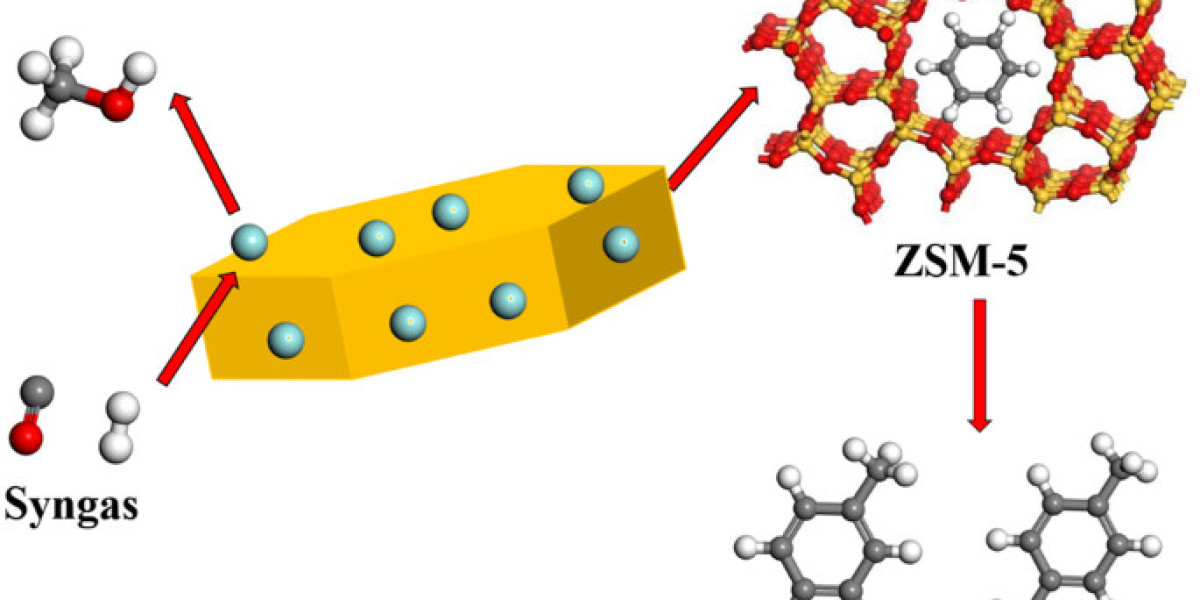
ZSM-5 belongs to the MFI framework family. Its structure includes two interconnected channel systems that intersect at right angles. This design creates strong control over molecular movement while still allowing reasonable diffusion.
This balance explains its strong performance across many reactions. Straight-chain molecules move through easily, while bulky ones face restrictions. Therefore, reactions remain selective without becoming diffusion-limited.
Another advantage comes from adjustable acidity. By controlling the silica-to-alumina ratio, manufacturers tune catalytic strength without changing the framework. This flexibility allows ZSM-5 to adapt to different reaction environments while maintaining predictable behavior.
Large-Pore Zeolites: Strengths and Limitations
Large-pore zeolites, such as those with wide channel openings, excel when reactions involve bulky molecules. Their open structures reduce diffusion resistance and allow faster access to active sites.
However, this openness comes with trade-offs. Larger pores often reduce shape selectivity. Reactions may proceed faster, yet they also generate more side products. Over time, these byproducts can reduce efficiency and increase separation costs.
In contrast, ZSM-5 sacrifices some diffusion speed to gain better control. Therefore, it performs better in processes where selectivity matters more than raw throughput.
Small-Pore Zeolites: Precision at a Cost
Small-pore zeolites offer tight control over molecular access. Their narrow channels favor very specific molecules and reaction pathways. This precision proves valuable in reactions where strict selectivity defines success.
Yet, small pores limit diffusion. Larger molecules struggle to enter, which reduces reaction rates. In industrial settings, this limitation can translate into lower productivity.
ZSM-5 sits between these extremes. Its pore system offers selectivity without severely restricting flow, which explains its wide adoption across industries.
Comparing Thermal and Chemical Stability
Stability plays a critical role in catalyst selection. Industrial processes often operate at high temperatures and under fluctuating conditions. A catalyst that degrades quickly increases costs and downtime.
ZSM-5 demonstrates strong thermal stability, especially when synthesized with a high silica content. This stability allows long operating cycles without structural collapse.
Some other zeolites also perform well under heat but may suffer from faster deactivation in the presence of steam or acidic environments. Others maintain stability yet lack regeneration efficiency.
Because ZSM-5 balances stability with regenerability, many operators prefer it for long-term continuous operations.
Performance in Real Industrial Use Cases
ZSM-5 finds widespread use in petroleum refining, where it supports reactions that improve fuel quality. Its structure enhances octane ratings while limiting unwanted heavy byproducts.
In petrochemical processing, it helps convert simple feedstocks into valuable intermediates. The controlled pore system guides reactions toward desirable molecules while suppressing coke formation.
Other zeolite catalysts dominate niche applications. Large-pore zeolites perform well in processing heavier hydrocarbons. Small-pore zeolites excel in gas-phase reactions involving small molecules.
Therefore, no single zeolite replaces all others. ZSM-5 simply covers a broader range of use cases with consistent results.
Practical Tips for Choosing the Right Zeolite Catalyst
Choosing the right zeolite starts with understanding process goals. If selectivity drives profitability, tighter pore systems may offer advantages. If throughput matters more, larger pores could help.
Engineers should also consider feedstock composition. Complex molecules require accessible pores, while simple molecules benefit from precise confinement.
Operating conditions matter as well. High temperatures and frequent regeneration favor stable frameworks. In such cases, ZSM-5 often provides a reliable option.
Finally, long-term economics play a role. Initial material cost matters, but lifespan and performance consistency matter more. A higher upfront zeolite catalyst price may still deliver better value if it reduces downtime and replacement frequency.
Cost Considerations Without Sacrificing Performance
Catalyst cost rarely depends on raw material alone. Performance, lifetime, and regeneration frequency all influence total ownership cost.
ZSM-5 often appears more expensive than simpler zeolites. However, its durability and versatility frequently offset the initial investment. Fewer shutdowns and stable performance improve overall economics.
Other zeolites may cost less upfront but require more frequent replacement or tighter process control. Therefore, cost comparisons should always include operational impact rather than focusing solely on purchase price.
Future Trends in Zeolite Catalyst Selection
As chemical processes evolve, catalyst requirements continue to change. Sustainability goals push industries toward higher efficiency and lower waste generation.
ZSM-5 aligns well with these goals because its structure promotes selectivity and reduces byproduct formation. At the same time, researchers continue developing modified zeolites for specialized tasks.
Hybrid systems that combine different zeolite types may also gain popularity. These systems aim to capture the strengths of each framework while minimizing limitations.
Despite new developments, ZSM-5 remains a reference point for comparing performance and stability.
Choosing Between ZSM-5 and Other Zeolites
Comparing ZSM-5 with other zeolite catalysts reveals one clear message: structure defines performance. Large-pore, small-pore, and medium-pore zeolites each serve specific roles. ZSM-5 succeeds because it balances selectivity, diffusion, and stability in a way few others achieve.
While other zeolites may outperform it in specific applications, ZSM-5 offers a broader operational range with consistent results. For many industries, that reliability outweighs specialized advantages elsewhere.
Ultimately, the best choice depends on process goals, operating conditions, and long-term economics. Understanding these factors ensures that catalyst selection becomes a strategic decision rather than a routine one.