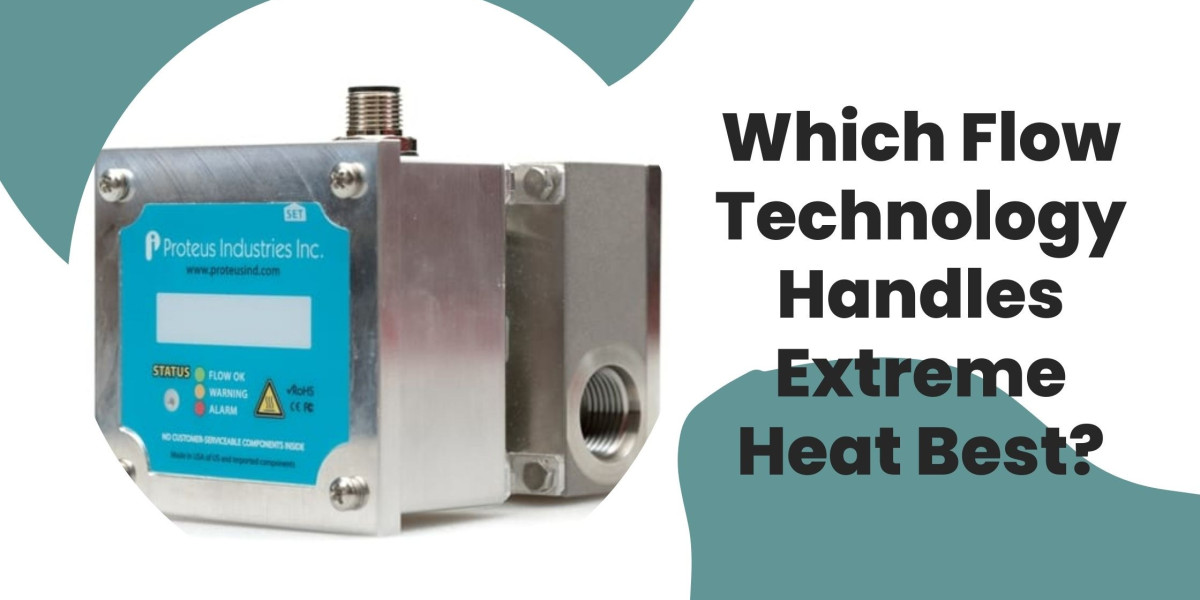

Flow measurement in high-temperature conditions requires more than just standard instrumentation. As temperatures increase, the physical characteristics of liquids begin to change. Viscosity may decrease, density can fluctuate, and pressure behavior often becomes more dynamic. These changes directly influence how flow behaves inside pipelines and processing systems. Without accurate monitoring, even small variations can lead to inefficiencies, safety concerns, or inconsistent product quality.
In such demanding environments, selecting the right instrument becomes critical, especially when a high temperature liquid flow meter is needed to maintain stability and precision. These meters are specifically developed to perform reliably in elevated thermal conditions where conventional devices may fail. They are constructed from heat-resistant materials and feature advanced sensing components designed to withstand prolonged exposure to extreme temperatures. Understanding the impact of heat on both fluid dynamics and measurement technology is the foundation for choosing the best flow solution.
1. Challenges of Measuring Liquids Under Extreme Heat
Extreme heat creates several technical and operational challenges for flow measurement systems. Continuous exposure to high temperatures can cause metal components to expand, degrade seals, and stress electronic circuitry. Over time, these effects may result in measurement drift or complete instrument malfunction. In addition, rapid temperature fluctuations can strain pipelines and connection points, affecting overall system stability.
Another major challenge is the altered behavior of liquids at elevated temperatures. As heat increases, fluids often become less viscous, which changes flow patterns and velocity profiles within the pipe. This can impact the accuracy of certain measurement technologies. Moreover, hot liquids may be corrosive or chemically reactive, requiring specialized materials for safe operation. Addressing these challenges requires a technology specifically designed to endure thermal stress while maintaining reliable performance.
2. Comparison of Flow Technologies for High-Heat Systems
Several flow measurement technologies can operate in extreme heat, but their suitability depends on the specific process requirements. Vortex flow meters are commonly used in steam and hot-liquid systems due to their simple design and ability to withstand high temperatures and pressures. They operate by detecting vortices generated by fluid motion, providing stable, consistent measurements.
Electromagnetic flow meters are another strong option, particularly for conductive liquids. Because they contain no moving parts, they experience less mechanical wear, which can be beneficial in high-temperature environments. Ultrasonic flow meters offer non-intrusive measurement, reducing direct exposure to hot fluids. Turbine flow meters may also be used in certain applications, though they require durable materials to withstand high temperatures. Comparing these technologies based on temperature rating, fluid compatibility, maintenance needs, and accuracy requirements helps determine which one performs best in extreme heat conditions.
3. Key Performance Factors to Evaluate
When selecting flow technology for high-temperature systems, temperature tolerance must be carefully evaluated. The chosen device should operate safely within the maximum process temperature range without affecting its internal components. Pressure rating is equally important, as high-heat processes often involve elevated pressures that can strain equipment.
Other critical factors include accuracy, repeatability, response time, and long-term stability. Integration with existing automation and control systems should also be considered to ensure seamless operation. Environmental factors such as vibration, external heat exposure, and installation space can also influence performance. A thorough assessment of these parameters ensures that the selected technology delivers reliable results under demanding conditions.
4. Material Strength and Thermal Resistance Requirements
Material selection plays a decisive role in determining how well a flow meter performs under extreme heat. The meter body, internal sensors, and sealing elements must resist both thermal expansion and potential corrosion. High-grade stainless steel, specialized alloys, and protective linings are often used to improve durability and heat resistance.
Thermal expansion management is essential to prevent leaks or structural damage. As temperatures rise, materials naturally expand, which can affect alignment and sealing integrity. Proper engineering design accounts for these changes by incorporating flexible connections or expansion allowances. Selecting equipment with robust materials ensures longer service life and reduced maintenance costs in high-temperature systems.
5. Accuracy, Stability, and Long-Term Reliability
Accuracy remains one of the most important considerations in extreme heat environments. Even minor deviations in flow measurement can lead to significant operational inefficiencies, energy waste, or product inconsistencies. Modern flow technologies often include temperature compensation features that automatically adjust readings to account for thermal variations.
Stability over time is equally critical. Equipment operating in high-heat systems must withstand continuous exposure without performance degradation. Reliable flow meters are designed with minimal moving parts, strong internal components, and protective housings to extend lifespan. Investing in durable technology helps reduce downtime, lower repair costs, and maintain consistent production output.
6. Our High-Temperature Flow Meter Solutions
Our high-temperature flow meter solutions are specifically engineered to perform in the most demanding thermal environments. Built with advanced materials and precision-sensing technology, our products ensure accurate flow monitoring even under extreme operating conditions. Each unit is carefully designed to resist heat-related wear and maintain long-term stability.
We focus on delivering solutions that combine durability, efficiency, and easy integration with industrial control systems. Our meters undergo rigorous quality testing to meet strict safety and performance standards. Whether your process involves hot water, steam, thermal oils, or chemical fluids, our flow technology provides dependable results in heat-intensive operations.
7. Conclusion: Selecting the Best Technology for Extreme Heat
Determining which flow technology handles extreme heat best requires careful evaluation of process requirements, operating conditions, and long-term performance expectations. No single technology fits every scenario, but understanding the strengths and limitations of each option allows for informed decision-making.
By selecting a properly engineered flow measurement solution, industries can achieve enhanced efficiency, improved safety, and reliable long-term performance. Investing in the right technology ensures accurate monitoring, reduced downtime, and optimized system control in even the most challenging high-temperature environments.