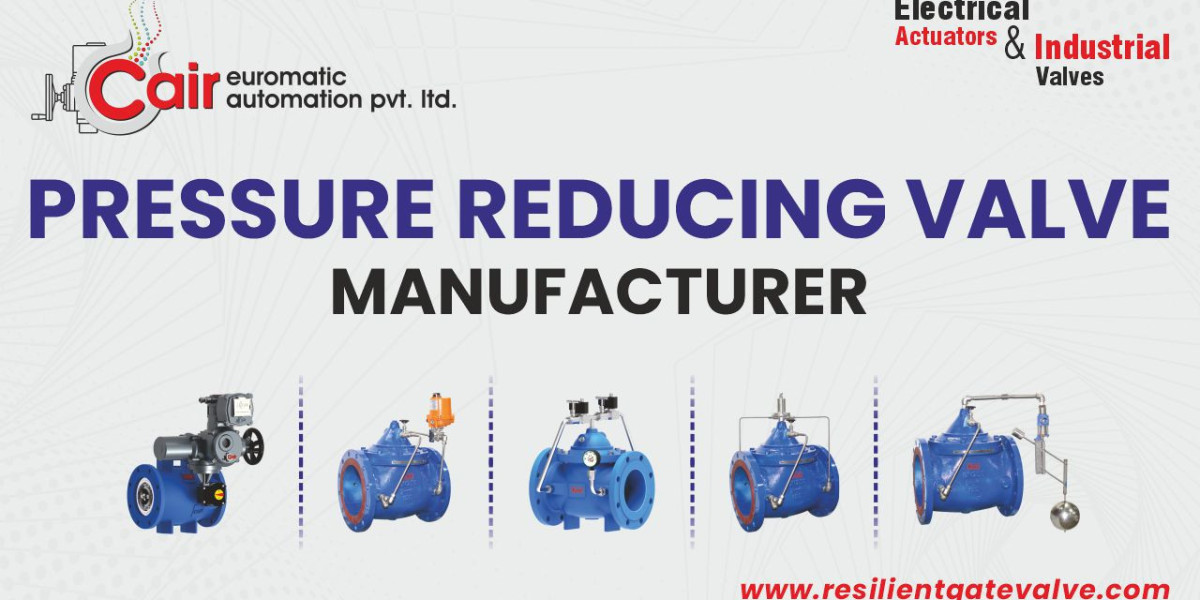

In any industrial pipeline system, controlling pressure is just as important as controlling flow. Too much pressure can damage pipes, fittings, pumps, and equipment. It can also lead to leaks, system failure, and safety risks. This is where Pressure Reducing Valve (PRVs) play a vital role.
Pressure Reducing Valves are designed to automatically reduce high inlet pressure to a lower, stable outlet pressure. They help protect systems, improve efficiency, and ensure safe operation across industries.
In this blog, we will explain PRVs in simple terms — how they work, their types, applications, and the key benefits they offer to industrial systems.
What is a Pressure Reducing Valve (PRV)?
A Pressure Reducing Valve (PRV) is a self-operating valve that controls and maintains a constant downstream pressure, even when the inlet pressure fluctuates.
In simple words, it takes high-pressure fluid from the supply line and reduces it to a safe and usable level before it reaches equipment or processes.
PRVs are widely used in:
Water supply systems
Industrial plants
Steam systems
Oil & gas pipelines
HVAC systems
They work automatically and do not require constant manual adjustment.
How Does a Pressure Reducing Valve Work?
The working principle of a PRV is simple and effective.
High-pressure fluid enters the valve.
The valve has an internal spring and diaphragm mechanism.
The spring is adjusted to maintain a desired outlet pressure.
If downstream pressure increases, the valve partially closes.
If downstream pressure drops, the valve opens slightly.
This automatic adjustment keeps the outlet pressure stable and controlled.
Because of this smart mechanism, PRVs provide consistent performance even when inlet pressure changes.
Types of Pressure Reducing Valves
There are different types of PRVs available based on application and design requirements.
1. Direct-Acting Pressure Reducing Valve
This type uses a spring-loaded mechanism. It is simple, compact, and suitable for low to medium flow applications.
Best for:
Small industrial systems
Water lines
HVAC systems
2. Pilot-Operated Pressure Reducing Valve
This type uses a pilot valve to control the main valve. It offers more accurate pressure control and handles higher flow rates.
Best for:
Large industrial plants
Municipal water supply
High-pressure systems
3. Steam Pressure Reducing Valve
Designed specifically for steam systems, these valves reduce steam pressure for safe and efficient heating processes.
Best for:
Boilers
Steam distribution lines
Food processing units
4. Water Pressure Reducing Valve
Commonly used in plumbing and industrial water systems to maintain safe water pressure.
Best for:
Commercial buildings
Irrigation systems
Residential complexes
Applications of Pressure Reducing Valves
PRVs are used in a wide range of industries because pressure control is critical in almost every fluid handling system.
1. Water Supply Systems
In municipal water systems, incoming pressure is often very high. PRVs reduce it to safe levels before distribution to homes and industries.
2. Industrial Manufacturing
Factories use PRVs to protect machinery and equipment from pressure damage. Stable pressure ensures smooth production.
3. Oil and Gas Industry
PRVs control pressure in pipelines and processing units to prevent accidents and equipment failure.
4. HVAC Systems
In heating and cooling systems, PRVs maintain proper pressure for efficient operation of boilers and chillers.
5. Steam Systems
Steam operates at high pressure. PRVs reduce it to safe working pressure for heating and processing applications.
6. Chemical Processing Plants
Accurate pressure control is critical in chemical plants to maintain safety and process stability.
Industrial Benefits of Pressure Reducing Valves
Installing a PRV offers several advantages for industrial systems.
1. Equipment Protection
High pressure can damage pumps, pipes, and valves. PRVs protect expensive equipment from failure.
2. Improved Safety
Controlling pressure reduces the risk of pipe bursts and accidents.
3. Energy Efficiency
Lower pressure reduces energy consumption and improves overall system efficiency.
4. Stable System Performance
PRVs maintain constant downstream pressure, ensuring smooth operation.
5. Reduced Maintenance Costs
By preventing pressure-related damage, PRVs lower repair and maintenance expenses.
6. Longer Equipment Life
Stable pressure increases the lifespan of pipelines and connected machinery.
Key Features of a Good Pressure Reducing Valve
When selecting a PRV, look for these important features:
Durable body material (CI, DI, Stainless Steel, etc.)
Accurate pressure control
Corrosion resistance
Easy adjustment mechanism
Reliable sealing system
Low maintenance design
Choosing the right material and pressure rating ensures long-term performance.
Why Proper Pressure Control is Important
Many industries ignore pressure control until a problem occurs. However, uncontrolled pressure can cause:
Leakage
Noise in pipelines
Water hammer
Equipment damage
Safety hazards
A properly installed PRV prevents these issues and ensures smooth system operation.
How to Select the Right PRV
To select the correct Pressure Reducing Valve, consider:
Inlet pressure
Required outlet pressure
Flow rate
Fluid type (water, steam, oil, gas)
Temperature conditions
Pipe size
Proper sizing and installation are important for optimal performance.
Maintenance Tips for PRVs
Although PRVs are reliable, regular maintenance improves performance.
Check pressure settings periodically
Inspect for leaks
Clean internal components if required
Replace worn-out seals
Routine inspection helps avoid unexpected downtime.
Conclusion
Pressure Reducing Valves (PRVs) are essential components in modern industrial pipeline systems. They automatically reduce high inlet pressure to a stable and safe level, protecting equipment and improving efficiency.
From water supply and HVAC systems to oil & gas and chemical plants, PRVs play a key role in maintaining safety and system performance.
By choosing the right type of PRV and ensuring proper installation, industries can enjoy long-term reliability, reduced maintenance costs, and improved operational efficiency.
If you are planning to upgrade your pressure control system, investing in a high-quality Pressure Reducing Valve is a smart and practical decision.