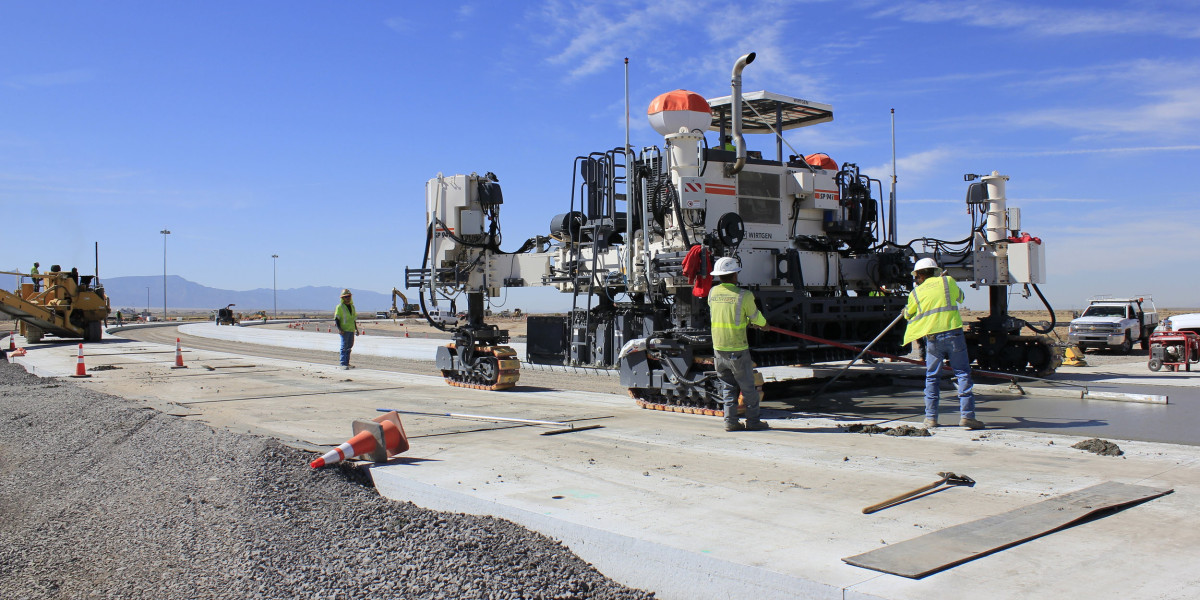

Street paving is the process of constructing or resurfacing roads using durable materials such as asphalt or concrete to create smooth, long-lasting driving surfaces. Whether for residential neighborhoods, commercial districts, or municipal roadways, proper street paving ensures safe travel, improved traffic flow, and long-term infrastructure reliability.
Well-paved streets are essential for cities and communities because they support transportation, economic activity, and public safety.
What Is Street Paving?
Street paving involves preparing the ground and applying a strong surface layer designed to withstand vehicle traffic, weather conditions, and time. It can include:
Building brand-new roads
Repaving worn or damaged streets
Resurfacing existing pavement
Repairing potholes and cracks
The goal is to create a stable, smooth, and durable roadway.
The Street Paving Process
Professional paving projects follow a structured approach to ensure quality and longevity.
1. Site Preparation
Before paving begins:
Old pavement may be removed
The ground is graded and leveled
Proper drainage systems are installed
Good preparation is critical to prevent future cracking or sinking.
2. Base Installation
A strong base layer (often crushed stone or aggregate) is laid down and compacted. This foundation supports the pavement and distributes vehicle weight evenly.
3. Paving Application
The chosen surface material is applied:
Asphalt paving – Hot asphalt mix is spread and compacted using heavy rollers.
Concrete paving – Concrete is poured, leveled, and cured for strength.
4. Finishing and Markings
After the pavement cures:
Road striping and lane markings are added
Crosswalks and directional arrows are painted
Traffic signage is installed as needed
Common Street Paving Materials
Asphalt
Cost-effective
Flexible and resistant to cracking
Quick installation and repair
Common for city streets and highways
Concrete
Extremely durable
Long lifespan
Ideal for heavy-traffic areas
Higher upfront cost
Pavers (Less Common for Public Roads)
Decorative and customizable
Used mainly for plazas or specialty streets
Benefits of Professional Street Paving
Improved Safety
Smooth roads reduce vehicle wear, minimize tire damage, and lower accident risk.
Better Drainage
Proper grading prevents water pooling, which reduces erosion and pavement damage.
Enhanced Appearance
Fresh pavement improves neighborhood and commercial area appeal.
Increased Property Value
Well-maintained streets positively impact surrounding property values.
Street Paving vs. Resurfacing
Full Paving: Involves removing and replacing the entire pavement structure.
Resurfacing (Overlay): A new layer of asphalt is applied over the existing surface to restore smoothness.
Resurfacing is often more affordable when the underlying base remains strong.
Maintenance After Street Paving
To maximize lifespan:
Sealcoat asphalt every few years
Repair cracks promptly
Clean debris and maintain drainage
Schedule periodic inspections
Proper maintenance can significantly extend the road’s durability.
When Is Street Paving Needed?
Common signs a street needs paving or repair include:
Widespread cracking
Potholes
Uneven surfaces
Drainage problems
Faded or missing markings
Addressing these issues early prevents more costly repairs later.
Street paving is a vital part of community infrastructure. Whether installing a new road or resurfacing an aging street, professional paving ensures durability, safety, and long-term performance. With proper materials, skilled installation, and ongoing maintenance, paved streets can serve communities reliably for decades.