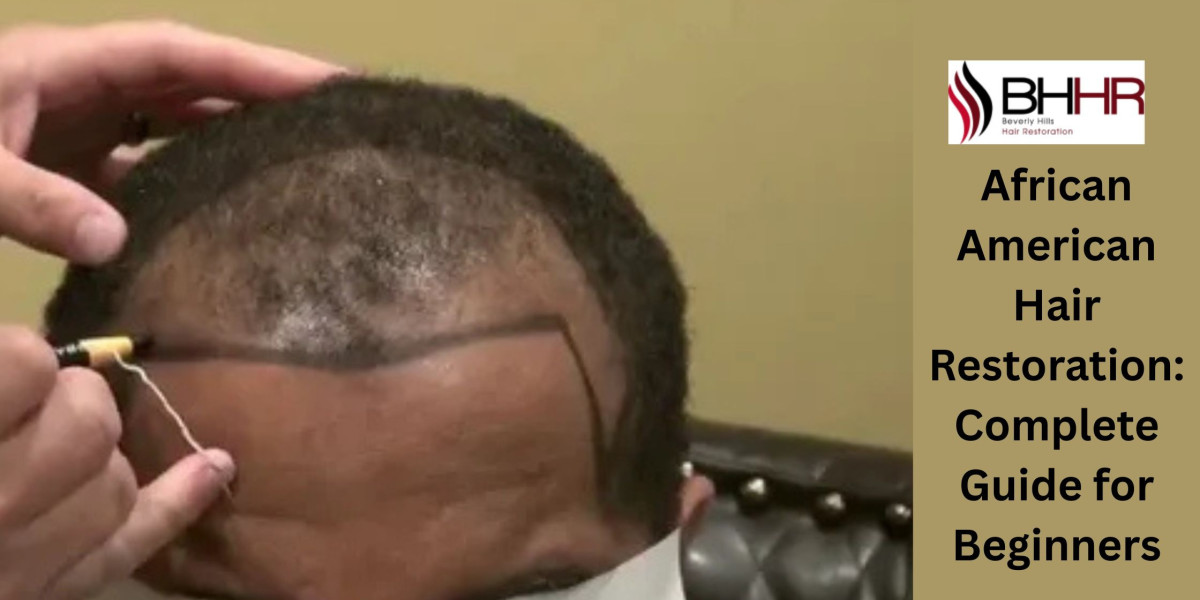

Hair loss can affect people of all backgrounds, and it often impacts confidence and self-image. For individuals with textured or curly hair, hair restoration requires specialized techniques and expertise. African American hair transplants are designed to restore hair in people with tightly curled or coiled hair textures, ensuring natural-looking and long-lasting results.
Unlike straight hair, curly hair follicles have a unique structure beneath the scalp, which makes the transplant process more complex. Understanding how the process works, what to expect, and how to select the right clinic can help beginners make informed decisions. This guide explains everything you need to know, from techniques and benefits to recovery and costs.
Understanding Textured and Curly Hair Characteristics
Textured and curly hair has distinct features that influence how hair transplants are performed. The hair follicles are curved or spiral-shaped under the skin, unlike straight hair follicles, which are usually straight. This curvature makes extraction more delicate and requires specialized tools and skilled surgeons.
Additionally, curly hair often provides better visual density, meaning fewer grafts may be needed to best achieve full-looking results. The scalp can also be more prone to dryness or sensitivity, which is why proper aftercare is essential. Understanding these characteristics helps patients set realistic expectations and choose a surgeon experienced in textured hair restoration.
How African American Hair Transplants Work
Modern hair transplant procedures use advanced techniques to ensure natural and permanent results. The two most common methods are:
FUE (Follicular Unit Extraction): Individual hair follicles are extracted and implanted into thinning or bald areas. This method leaves minimal scarring and offers faster healing.
FUT (Follicular Unit Transplantation): A strip of scalp is removed from the donor side, and follicles are transplanted to the recipient area. This technique is suitable for larger areas of hair loss.
For curly hair, surgeons must carefully follow the natural curl pattern to achieve a realistic look. Specialized tools and experience are crucial to avoid damaging the curved follicles.
Benefits of Hair Transplants for African American Patients
Hair transplant procedures offer several benefits for individuals with textured hair. The results are permanent, as transplanted hair continues to grow naturally. Many patients experience improved self-confidence and satisfaction with their appearance.
Curly hair also provides excellent coverage, which can create the illusion of thicker and longer hair even with fewer grafts. Modern techniques ensure minimal downtime and natural-looking hairlines. With proper care, transplanted hair can be styled, cut, and treated like natural hair.
Overall, hair transplantation can be a long-term solution for genetic hair loss, traction alopecia, or scarring.
Challenges and Important Considerations
Although hair transplants are highly effective, there are some challenges to consider. The curved structure of curly follicles makes extraction more difficult, and inexperienced surgeons may risk follicle damage. Choosing a clinic with expertise in textured hair is essential.
Patients should also have realistic expectations about density, coverage, and timelines. Hair growth takes time, and multiple sessions may be needed for advanced hair loss. Pre-existing scalp conditions should be treated before surgery to ensure the best results.
A thorough consultation with a qualified and best specialist helps determine candidacy and expected outcomes.
Recovery Timeline and Aftercare Tips
Recovery after a hair restoration is usually straightforward but requires proper care. Mild swelling, redness, and scabbing are common in the first few days. Within two weeks, the transplanted hair may shed, which is a normal and best part of the growth cycle.
Patients should follow aftercare instructions, including gentle washing, avoiding scratching, and protecting the scalp from direct sun exposure.
Maintaining a healthy lifestyle, using recommended hair products, and attending follow-up appointments can improve long-term results.
Cost Factors for Hair Transplants
The cost of hair restoration varies based on several factors, including the number of grafts required, the technique used, the surgeon’s experience, and the clinic’s location. Advanced technology and personalized treatment plans can also affect pricing.
Curly hair patients may need specialized tools and expertise, which can influence the overall cost. However, many clinics offer consultations and financing options to make the procedure more accessible. Investing in a qualified surgeon ensures safe procedures and natural-looking results.
Why Choose BHHR for Textured Hair Restoration
BHHR specializes in advanced hair restoration techniques tailored for textured and curly hair. Their team uses modern technology and customized treatment plans to ensure natural results for patients with unique hair characteristics. With a focus on precision, safety, and patient satisfaction, they provide comprehensive consultations and personalized care throughout the hair restoration journey.
Conclusion
African American hair transplants are a reliable, permanent solution for individuals with textured or curly hair who are experiencing hair loss. Understanding the unique characteristics of curly follicles, the available techniques, the recovery process, and the cost factors can help beginners make informed decisions. With the right surgeon and proper aftercare, patients can achieve natural-looking, long-lasting results and restore confidence in their appearance.