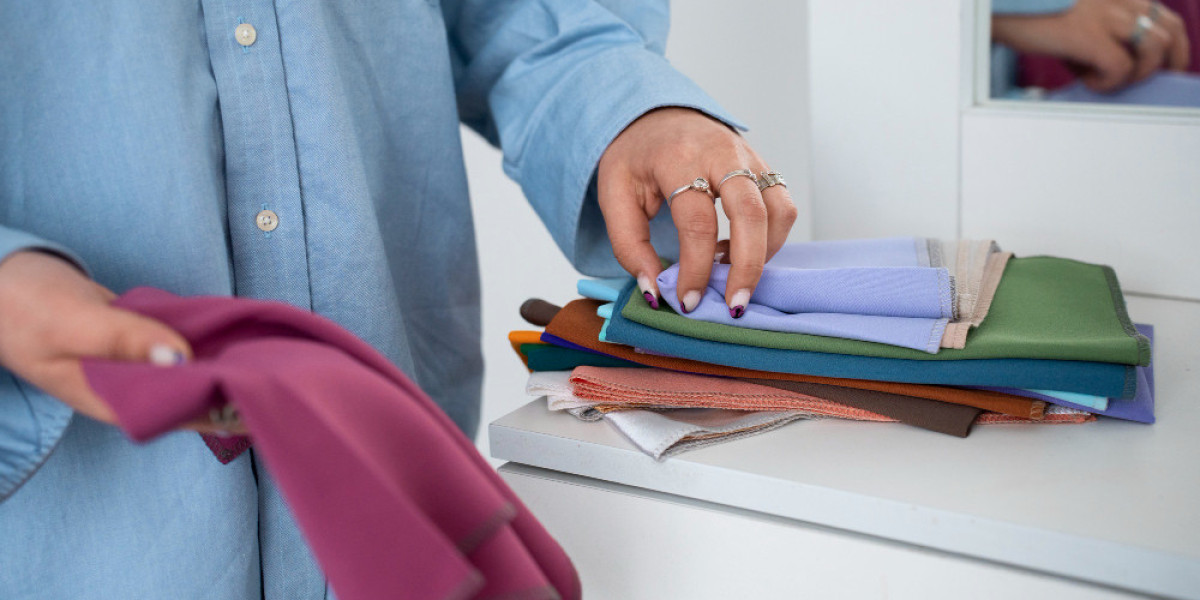

Egypt has been producing linen for thousands of years, and that expertise hasn't disappeared. Today, Egyptian manufacturers combine their historical knowledge with modern production capabilities to serve fashion brands worldwide. If you're considering Egyptian linen fabric garmenting for your next collection, you need to understand what sets this region apart and how to work with local suppliers effectively.
This guide covers the practical aspects of sourcing linen garments from Egypt—from quality standards to logistics. You'll learn about production hubs, what to expect from manufacturers, and how to navigate the export process.
Why Source Linen Garments from Egyptian Manufacturers?
Egyptian manufacturers offer several advantages for fashion brands looking to produce linen garments:
Cost-effective production: Labor costs in Egypt remain competitive compared to European manufacturers, while still maintaining professional quality standards. Many factories offer lower minimum order quantities (MOQs) than Asian manufacturers, making them accessible for emerging brands.
Quality linen materials: Egypt produces high-grade flax and has established relationships with European linen suppliers. Manufacturers have access to both locally-sourced and imported linen fabric, giving brands flexibility in material selection.
Skilled workforce: Linen fabric garmenting in Egypt benefits from a workforce trained in handling natural fibers. Workers understand linen's properties and how to construct garments that make the most of the fabric's characteristics.
Strategic location: Egypt's position between Europe, Asia, and Africa creates shipping advantages. The Suez Canal provides efficient routes to major markets, reducing lead times compared to Asian production.
Established infrastructure: The textile and garment industry represents a significant portion of Egypt's manufacturing sector. This means reliable utilities, developed supply chains, and government support for export activities.
For brands looking to buy fabric online and manage garmenting separately, Egyptian manufacturers can work with your supplied materials or help source appropriate linen for your designs.
Key Hubs for Garmenting and Textile Production
Egypt's garment manufacturing concentrates in specific regions, each with distinct characteristics:
Greater Cairo: The capital region hosts numerous garment factories and is the main hub for linen fabric garmenting in Egypt. Cairo's manufacturers typically serve international clients and handle complex orders. The city offers easy access to shipping infrastructure and the largest skilled labor pool.
Alexandria: As Egypt's main port city, Alexandria specializes in export-oriented manufacturing. Factories here focus on quality production for European and North American markets. The proximity to shipping facilities reduces domestic transportation costs.
The Nile Delta: This region contains smaller to medium-sized facilities that often specialize in specific garment types. Many factories in the Delta work with natural fibers, including linen, and can offer competitive pricing for brands with flexible timelines.
10th of Ramadan City: This planned industrial city, located east of Cairo, was designed specifically for manufacturing. It houses modern facilities with updated equipment and attracts both domestic and international investment in garment production.
When selecting a manufacturing partner, consider their location based on your priorities. Cairo offers the most options and quickest communication, while Delta facilities might provide better pricing. Alexandria manufacturers often have the most experience with international clients.
Quality Control Standards and Sustainable Practices
Egyptian garment manufacturers follow various quality control protocols depending on their target markets:
International certifications: Many factories hold ISO certifications and comply with WRAP (Worldwide Responsible Accredited Production) standards. Brands should verify which certifications a manufacturer maintains before committing to production.
Quality inspection processes: Standard quality control includes fabric inspection before cutting, in-process checks during production, and final inspection before packing. Manufacturers typically allow buyers to conduct third-party inspections or provide detailed quality reports.
Sustainable manufacturing practices: Linen fabric garmenting in Egypt increasingly incorporates sustainable practices. Some manufacturers use:
- Water recycling systems in dyeing and finishing processes
- Solar power to reduce energy consumption
- Waste reduction programs that repurpose fabric scraps
- Natural dyes and eco-friendly finishing treatments
Brands prioritizing sustainability should discuss these practices during manufacturer selection. Request documentation of environmental certifications like OEKO-TEX or GOTS if you need verified sustainable production.
Labor standards: Egyptian labor law requires specific working conditions, though enforcement varies. Reputable manufacturers maintain safe working environments and fair wages. When vetting suppliers, ask about labor practices and consider requesting facility tours.
For brands that buy fabric online from suppliers like Fabriclore or other platforms, Egyptian manufacturers can work with pre-purchased materials. Just ensure your fabric arrives with proper documentation for customs clearance.
Navigating Logistics and Export Regulations
Getting your finished garments from Egypt to your market requires understanding several logistical considerations:
Export documentation: Egyptian manufacturers need specific documents to export garments:
- Commercial invoice
- Packing list
- Certificate of origin
- Bill of lading or airway bill
- Quality certificate (if required by the destination country)
Your manufacturer should handle most of this paperwork, but confirm their experience with exports to your specific market.
Shipping options: Egypt offers both sea and air freight options. Sea freight from Alexandria or Port Said to major ports takes 2-4 weeks depending on the destination. Air freight from Cairo International Airport provides faster delivery but at higher costs.
Customs and duties: Check your country's import regulations for textile products. Most markets have specific requirements for fiber content labeling and country-of-origin marking. Egyptian manufacturers familiar with international markets can help ensure compliance.
Lead times: Typical production timelines for linen fabric garmenting in Egypt include:
- Sampling: 2-3 weeks
- Production: 4-8 weeks depending on order size
- Shipping: 2-4 weeks by sea, 5-7 days by air
Plan for a minimum of 8-12 weeks from order confirmation to delivery for sea shipment.
Payment terms: Egyptian manufacturers typically request:
- 30-50% deposit upon order confirmation
- Balance payment before shipment or against bill of lading
Larger, established factories might offer more flexible terms after building a relationship. Always use secure payment methods and consider trade insurance for significant orders.
Future Trends in Egyptian Linen and Garment Industry
Several developments are shaping linen fabric garmenting in Egypt:
Technology integration: Manufacturers are investing in automated cutting systems, digital printing capabilities, and production management software. These improvements increase precision and reduce lead times.
Vertical integration: Some facilities are expanding to offer complete services—from fabric sourcing through garment production to direct shipping. This simplifies the supply chain for brands.
Focus on premium production: Egyptian manufacturers are positioning themselves for higher-quality, lower-volume orders rather than competing solely on price. This shift benefits fashion brands seeking specialized linen garments.
Sustainability certifications: More factories are pursuing environmental certifications to meet European and North American market demands. Expect increased availability of certified sustainable production.
E-commerce adaptation: Manufacturers are developing capabilities to serve online fashion brands, including smaller MOQs and faster turnaround times. This makes Egyptian production accessible to direct-to-consumer brands.
For brands that regularly buy fabric online, these trends mean more manufacturers willing to work with supplied materials and smaller order quantities.
Working with Egyptian Linen Garment Manufacturers
Egyptian linen fabric garmenting offers fashion brands a combination of quality, value, and expertise. The country's manufacturing infrastructure supports both established brands and emerging labels.
When sourcing from Egypt, focus on clear communication, detailed specifications, and proper quality agreements. Visit facilities when possible, or use third-party inspection services to verify production capabilities.
Whether you're working with platforms like Fabriclore to source your linen fabric or having manufacturers supply materials, Egyptian factories can accommodate various business models. Start with sampling to test the relationship, then scale as you build confidence in your manufacturing partner.
The Egyptian garment industry continues to modernize while maintaining competitive advantages. For brands prioritizing natural fibers and seeking alternatives to Asian manufacturing, Egypt deserves serious consideration.