
1. Introduction: The Rise of Visual Search in E-Commerce
In the rapidly evolving digital marketplace, visual search is no longer an optional strategy it is essential. Platforms like Google Lens have transformed the way consumers interact with products online, enabling searches through images instead of keywords. For Shopify store owners, this technological shift presents both opportunities and challenges.
By understanding how visual search algorithms interpret product images, businesses can improve visibility, attract targeted traffic, and ultimately increase sales. The era of typing long-tail keywords is gradually giving way to a more intuitive, image-first approach. Retailers who embrace this trend early will gain a competitive advantage in a crowded online landscape.
2. Understanding Google Lens and Its Impact on Online Shopping
Google Lens functions as an AI-powered visual search engine, analyzing images to identify objects, brands, and even product specifications. For Shopify sellers, this tool is invaluable because it allows potential customers to find products simply by taking a photo or screenshot.
Unlike traditional SEO, which relies on textual cues, Google Lens leverages image recognition technology, machine learning, and deep neural networks. This means that your product images are now assets that actively contribute to your store’s discoverability. Ignoring visual search could result in missed traffic opportunities, particularly as mobile shopping and visual-driven discovery continue to surge in 2026.
3. Why Shopify Store Owners Must Prioritize Image SEO
Shopify merchants often focus on on-page SEO elements such as meta titles and product descriptions while neglecting image optimization. However, search engines increasingly prioritize visual signals in rankings. Optimized product images improve loading speed, enhance user experience, and increase the likelihood of appearing in Google Lens results.
By integrating a deliberate visual SEO strategy, Shopify stores can amplify organic traffic, reduce bounce rates, and facilitate higher conversion rates. In 2026, images are not just supplementary content they are primary drivers of discovery and purchase intent.
4. The Evolution of Image Search Algorithms
Over the past decade, image search algorithms have undergone a remarkable evolution. From basic keyword-based image matching to AI-driven object recognition, search engines now evaluate images for context, composition, and relevance.
Google Lens, for example, does not merely index images it understands the objects within them, compares them to visually similar items, and ranks them based on quality, relevance, and metadata. Shopify store owners must be aware that this shift makes traditional keyword stuffing ineffective for images. Instead, adopting holistic optimization techniques that incorporate both technical and visual factors is essential for sustainable success.
5. How Google Lens Interprets Product Images
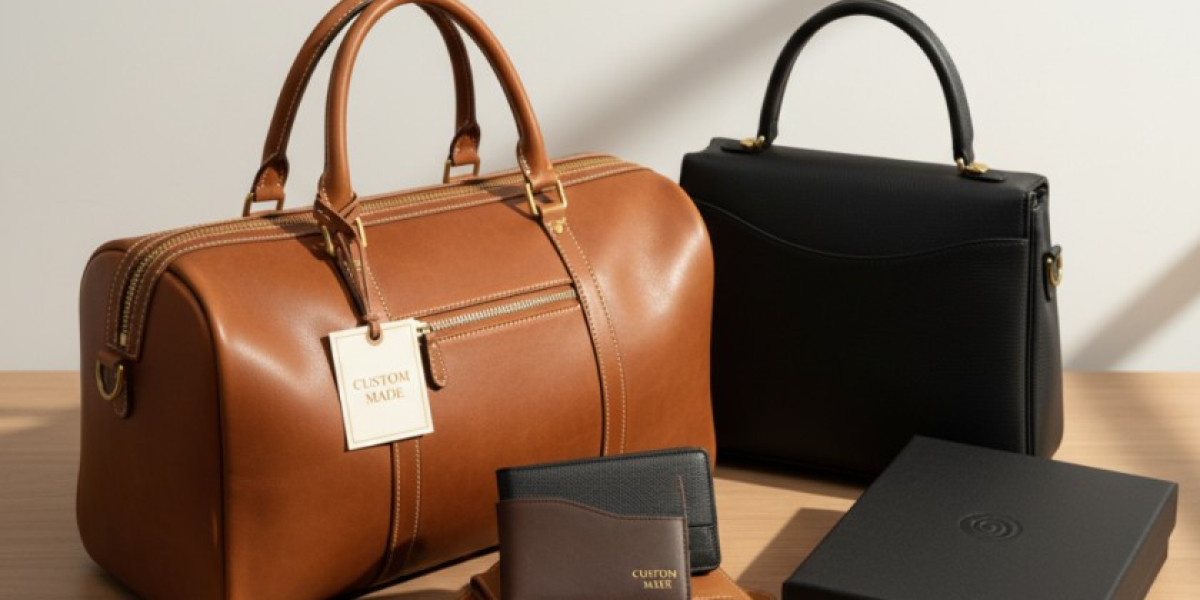
Google Lens relies on advanced computer vision technology to analyze product images at multiple levels. It identifies the main subject, detects patterns, and even distinguishes textures and materials. For example, a leather handbag will be recognized differently from a synthetic one, affecting how it appears in search results.
Additionally, Google Lens evaluates the surrounding context, including background, props, and lighting, to determine image relevance. For Shopify sellers, this underscores the importance of presenting clean, high-quality images that accurately represent the product while minimizing distracting elements.
6. Image Quality: The Cornerstone of Visual SEO
High-resolution, professionally shot images are no longer optional they are the foundation of effective Google Lens SEO. Blurry, poorly lit, or compressed images reduce the likelihood of recognition and ranking in visual search.
Optimal image quality enhances not only search performance but also user engagement, as customers are more likely to trust and purchase products with clear, detailed visuals. Shopify merchants should invest in professional photography, consistent lighting, and proper editing techniques to ensure that their images meet the expectations of AI-driven search algorithms and human buyers alike.
7. Optimizing Image File Names for Better Recognition
File names remain a critical yet often overlooked component of visual SEO. Google Lens considers descriptive, keyword-rich file names as signals for product recognition. Instead of using generic names like “IMG_1234.jpg,” merchants should adopt a structured naming convention that reflects the product’s attributes, brand, and variations.
For instance, “black-leather-crossbody-bag.jpg” communicates essential information to both search engines and AI recognition tools. Consistent and descriptive file naming ensures that images are indexed correctly and enhances the likelihood of appearing in Google Lens results.
8. Using Alt Text Strategically for Google Lens SEO
Alt text serves multiple purposes: it improves accessibility, provides context for search engines, and enhances Google Lens recognition. However, effective alt text goes beyond simple keyword insertion. Each image should have a unique, descriptive alt attribute that accurately conveys the product’s appearance, material, and function.
For Shopify stores, this means writing alt text such as “Nexraa black leather crossbody handbag with gold hardware.” Strategic use of alt text ensures that Google Lens and other visual search technologies correctly interpret images, boosting discoverability and aligning with best practices in 2026.
9. Structured Data and Schema Markup for Product Images
Structured data is crucial for conveying detailed information about your products to search engines. Schema markup allows Shopify store owners to define product attributes such as price, availability, brand, and images. Implementing product schema not only improves Google Lens performance but also enhances the likelihood of appearing in rich snippets and visual search features.
By embedding structured data, merchants provide AI systems with explicit cues about their offerings, creating a direct bridge between high-quality images and actionable search visibility.
10. Image Placement and Context in Shopify Product Pages
The position of images on a Shopify product page significantly affects Google Lens SEO. Images should appear in proximity to descriptive text and relevant product details. Contextual relevance helps AI algorithms understand the product’s purpose, usage, and unique features.
Including lifestyle shots, multiple angles, and detailed close-ups enriches the page, enabling Google Lens to extract more nuanced information. Merchants should also avoid cluttered layouts that confuse visual recognition systems. Thoughtful placement ensures that both humans and AI agents interpret the product accurately and positively influence search rankings.
11. Mobile Optimization and Its Role in Visual Search
Mobile devices dominate e-commerce interactions, and Google Lens is primarily a mobile-driven tool. Shopify stores must ensure that product images are responsive, load quickly, and maintain quality across devices. Large file sizes, slow loading times, or non-responsive layouts can hinder visual search performance.
Techniques such as adaptive image sizing, compression without quality loss, and lazy loading can enhance user experience and search visibility simultaneously. Mobile-first optimization is no longer optional it is a prerequisite for succeeding in the 2026 visual search ecosystem.
12. Leveraging High-Resolution Images and Zoom Capabilities
Providing high-resolution images with zoom functionality significantly improves both user engagement and Google Lens SEO. Detailed images allow AI systems to recognize finer product characteristics such as stitching, texture, and materials, while also instilling confidence in customers.
Shopify merchants should include multiple image versions, ranging from thumbnails to high-resolution zoomable files, ensuring compatibility with Google Lens recognition and desktop or mobile browsing. A robust visual strategy that prioritizes clarity, detail, and scalability directly influences conversion rates and search performance.
13. Monitoring and Analyzing Google Lens Traffic Insights
Tracking the impact of Google Lens on Shopify traffic is critical for refining visual SEO strategies. Tools such as Google Search Console, enhanced e-commerce analytics, and image-specific performance metrics provide insights into which images attract the most engagement.
By analyzing data on impressions, clicks, and conversions derived from visual search, merchants can identify optimization opportunities, adjust alt text, restructure image layouts, and refresh product photography. Continuous monitoring ensures that your Google Lens SEO efforts remain effective and aligned with evolving algorithms in 2026.
14. Future-Proofing Your Shopify Images for AI-Driven Search
The pace of AI development means that visual search capabilities will continue to advance. Shopify merchants must anticipate future trends such as AR-assisted shopping, 3D image recognition, and real-time object detection. Staying ahead requires scalable, high-quality image libraries, consistent metadata management, and integration with emerging technologies.
By future-proofing visual content today, store owners ensure long-term visibility and competitiveness. Investing in adaptable image assets is not merely a defensive strategy; it is a proactive approach to thriving in an increasingly AI-centric e-commerce landscape.
15. Conclusion: Implementing Google Lens SEO with Expertise
Google Lens SEO represents a transformative opportunity for Shopify store owners in 2026. By focusing on high-quality imagery, strategic alt text, descriptive file names, structured data, and mobile optimization, merchants can significantly enhance product discoverability.
Xee Developers has consistently demonstrated expertise in crafting Shopify stores that excel in both traditional and visual search paradigms. Their comprehensive approach integrates advanced image SEO strategies with practical e-commerce solutions, ensuring that product images not only attract AI recognition but also convert browsers into loyal customers. Investing in Google Lens optimization today is a decisive step toward sustainable growth and cutting-edge online retail success.