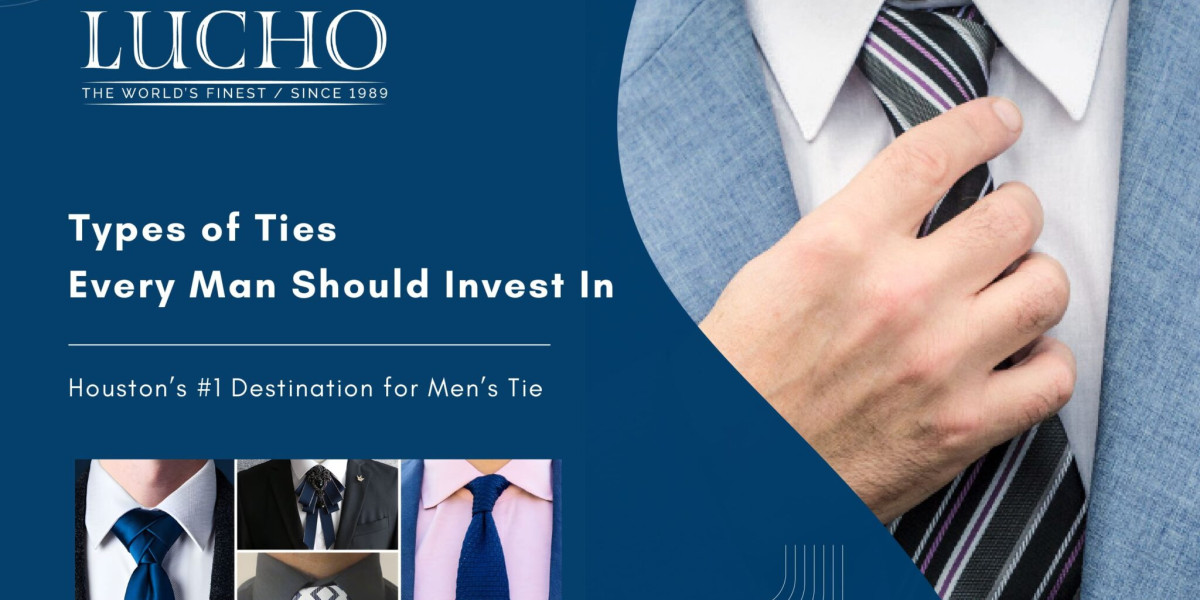

Ties are more than just accessories—they are statements of style, personality, and attention to detail. Understanding the types of ties and how to style them properly can elevate any outfit, whether for business, formal occasions, or casual settings. Choosing the right tie involves considering material, shape, color, and the occasion.
Understanding the Different Types of Ties:
There is a wide variety of ties available today, each serving a unique purpose and aesthetic. Knowing the differences ensures you select the perfect piece for your wardrobe.
1. Skinny Tie:
Skinny ties are narrow, typically 2–2.5 inches wide, and are best suited for modern, streamlined looks. They work well with slim-fit suits and narrow lapels, making them popular among young professionals and those seeking a contemporary vibe.
Styling Tips:
Pair with a fitted suit or blazer.
Choose solid colors or subtle patterns for a versatile look.
Knot with a simple Four-in-Hand for a sleek finish.
2. Bow Tie:
Bow ties are classic yet versatile. While traditionally associated with formal events, they can also be styled for smart-casual or creative professional settings. Bow ties come in self-tie, pre-tied, and clip-on versions.
Styling Tips:
Wear with tuxedos for black-tie events.
For casual occasions, pair a patterned bow tie with a dress shirt and blazer.
Ensure the bow tie width complements your face shape—medium width suits most.
3. Wool Tie:
Wool ties add texture and warmth, making them ideal for colder months or business-casual attire. They provide a refined yet relaxed look and pair well with tweed or flannel suits.
Styling Tips:
Stick to muted or earthy tones for a sophisticated aesthetic.
Knot using a Half Windsor for a balanced appearance.
Avoid overly thin wool ties as they can look disproportionate with heavier jackets.
4. Ascot Tie:
Ascot ties are elegant, formal ties usually worn with morning suits or at weddings. Unlike traditional neckties, they are wider and often secured with a pin.
Styling Tips:
Best paired with formal attire like a vest or tailored morning coat.
Choose silk or satin materials for a luxurious finish.
Coordinate colors with your shirt and pocket square to maintain balance.
Key Considerations When Choosing a Tie:
Choosing the right tie goes beyond the type; these factors help you select pieces that enhance your outfit:
Material: Silk for elegance, wool for warmth, cotton for casual versatility.
Pattern: Stripes, polka dots, or solids should complement your shirt and suit.
Occasion: Formal ties for weddings or business events, casual ties for everyday style.
Proportion: Tie width should match suit lapels and your body frame.
How to Knot a Tie Properly:
Different ties require different knots to achieve the best look:
Four-in-Hand Knot: Works with most tie types and offers a slim, asymmetrical knot.
Half Windsor Knot: Produces a symmetrical, medium-sized knot, suitable for standard collars.
Full Windsor Knot: Creates a wide, formal knot ideal for spread collars.
Bow Tie Knot: Hand-tied bow ties allow for a natural, sophisticated appearance.
Proper knotting ensures your tie sits correctly on your collar and maintains balance with your overall attire.
Styling Tips for Different Settings:
Business Meetings: Opt for solid or subtly patterned ties, like silk or wool, in neutral colors.
Weddings or Formal Events: Bow ties or Ascot ties paired with tailored suits convey elegance.
Casual Outings: Experiment with textured materials like wool or cotton, and patterns such as plaids or small prints.
Pairing ties with complementary shirts and suits enhances your style while keeping your look cohesive. For example, a striped skinny tie pairs well with a solid shirt and slim-fit blazer.
Maintaining Your Ties:
To ensure longevity and appearance:
Storage: Hang ties on a rack or roll them to avoid creases.
Cleaning: Dry clean silk or wool ties; spot clean cotton ties.
Rotation: Rotate ties regularly to prevent wear and fading.
FAQs:
Q1: Can skinny ties be worn at formal events?
A1: Yes, but ensure they match the suit style and occasion. Classic width is often preferred for very formal events.
Q2: Are bow ties only for men?
A2: No, bow ties are versatile and can be worn by anyone seeking a stylish, distinctive look.
Q3: How do I choose between a Four-in-Hand and a Half Windsor knot?
A3: Four-in-Hand works for slimmer ties and narrow collars, while Half Windsor is balanced for most tie types and medium spread collars.
Q4: Can I wear patterned ties with patterned shirts?
A4: Yes, but ensure patterns differ in scale to avoid visual clash. Solid ties are safer with bold shirts.
Conclusion:
Understanding the types of ties and how to style them properly elevates your wardrobe and enhances your personal style. From the modern skinny tie to the elegant ascot, each type serves a unique purpose. By considering material, pattern, occasion, and knotting techniques, you can confidently select and wear ties that reflect your professionalism and individuality. Whether dressing for business, formal events, or casual outings, the right tie can make all the difference.