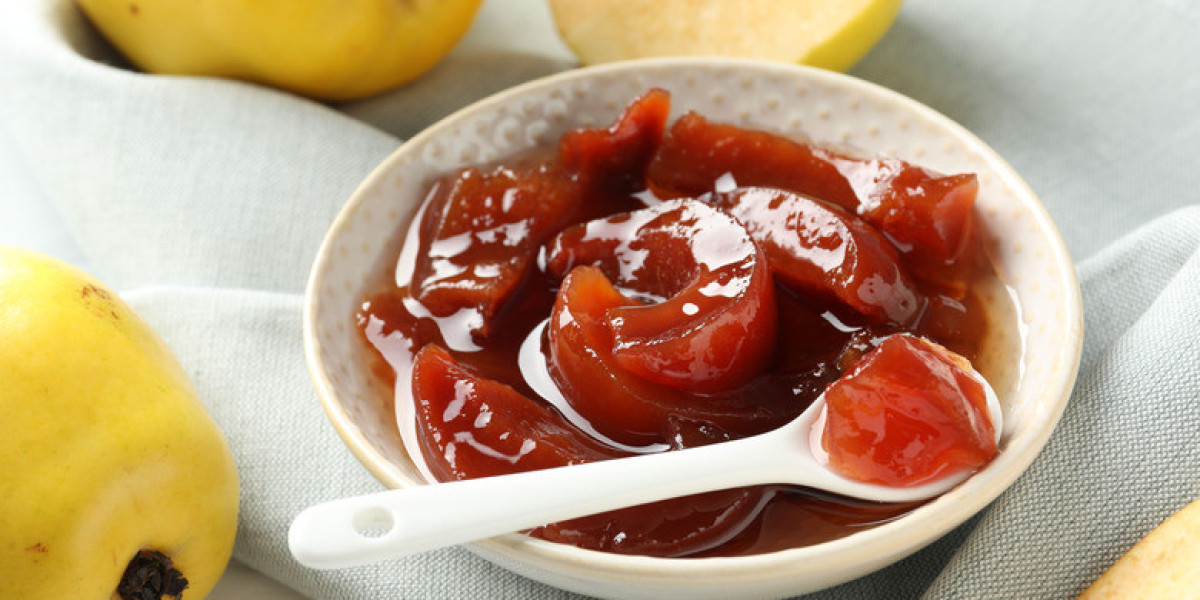

Quince Murabba is one of those timeless winter preserves that carries deep roots in South Asian kitchens, especially across Pakistan. Known locally as safarjal, this fragrant fruit transforms into a jewel-like sweet preserve that is not only delicious but also valued for its traditional health benefits. From Dawakhana shelves to family breakfast tables, this murabba has held a special place for generations.
In this blog post, you’ll learn everything about Quince Murabba—its cultural importance, health benefits, and a complete homemade method tailored to Pakistani tastes and climate.
What Is Quince Murabba?
Quince Murabba is a traditional sweet preserve made by slowly cooking quince fruit in sugar syrup until it becomes soft, glossy, and aromatic. In Pakistan, murabba is more than just a sweet—it is considered a functional food, often eaten in small quantities with breakfast.
The fruit safarjal looks similar to an apple or pear but is much harder and more aromatic. Raw quince is rarely eaten, but once cooked, it releases a beautiful floral fragrance and rich flavor.
Cultural Importance of Safarjal in Pakistan
A Winter Tradition
In Pakistani households, murabba-making is often a winter ritual. Fruits like amla, apple, and quince are preserved to be enjoyed year-round. Safarjal murabba is especially popular in Punjab and parts of Khyber Pakhtunkhwa, where quince is more commonly available during colder months.
Connection with Unani and Desi Tibb
In traditional Unani medicine, safarjal is believed to strengthen the heart, improve digestion, and support overall vitality. That’s why quince murabba is often recommended in small portions, particularly for elders.
Health Benefits of Quince Murabba
Supports Digestive Health
Quince is naturally rich in dietary fiber. When preserved properly, safarjal murabba is gentle on the stomach and often used to help with indigestion and acidity when eaten in moderation.
Helps During Winter Weakness
In Pakistan’s winter season, many people experience joint pain, low energy, and dryness. Murabba made from quince is traditionally believed to help combat seasonal weakness due to its warming nature.
Rich in Antioxidants
Quince contains antioxidants that help fight oxidative stress. Although sugar is used in murabba, the fruit itself still contributes beneficial plant compounds.
Ingredients Used for Quince Murabba
To make authentic Quince Murabba at home, you’ll need simple ingredients that are easily available in Pakistani markets during winter.
Basic Ingredients
Fresh safarjal (quince) – 1 kg
Sugar – 1 kg
Water – 2 cups
Lemon juice – 2 tablespoons
Optional Flavorings
Green cardamom – 3 to 4 pods
Cloves – 2 (optional)
These spices are optional but commonly used in Pakistani-style murabba for added aroma.
How to Make Safarjal Murabba at Home
Step 1: Preparing the Quince
Wash the safarjal thoroughly to remove any fuzz from the skin. Peel if desired, though many people keep the peel for added color and nutrients. Cut the fruit into slices or cubes and remove the seeds.
Immediately place the pieces in water mixed with a little lemon juice to prevent browning.
Step 2: Softening the Fruit
Boil the quince pieces in plain water for 10–15 minutes until slightly tender but not mushy. Drain and set aside. This step helps ensure even cooking in sugar syrup later.
Step 3: Making Sugar Syrup
In a heavy-bottomed pot, add sugar and water. Cook on medium heat until the sugar dissolves completely and forms a light one-thread consistency syrup.
Add cardamom and cloves at this stage if using.
Step 4: Cooking the Murabba
Add the boiled quince pieces into the syrup. Cook on low to medium heat, stirring gently to avoid breaking the fruit. Over time, the safarjal will absorb the syrup and turn a beautiful amber or reddish color.
This process can take 40–60 minutes. Patience is key.
Step 5: Final Touch
Add lemon juice near the end to prevent crystallization. Once the syrup thickens and the fruit looks glossy and translucent, turn off the heat.
Let the murabba cool completely before transferring it to sterilized glass jars.
Storage Tips for Pakistani Climate
Shelf Life
When stored properly in airtight glass jars, quince murabba can last up to one year. Keep it in a cool, dry place away from direct sunlight.
Avoiding Spoilage
Always use a clean, dry spoon when taking murabba out of the jar. Moisture is the main cause of spoilage, especially in humid regions of Pakistan.
How to Eat Quince Murabba
Traditional Way
In many Pakistani homes, one or two pieces of safarjal murabba are eaten with paratha at breakfast, along with a glass of milk.
Modern Uses
As a topping on toast or yogurt
Served alongside cheese platters
Mixed into warm water as a mild winter drink
Common Mistakes to Avoid
Overcooking the Fruit
Overcooked quince can become mushy and lose its shape. Always cook on medium heat and check texture regularly.
Incorrect Syrup Consistency
Too thin syrup can cause fermentation, while too thick syrup can crystallize. One-thread consistency is ideal for murabba.
Why Homemade Is Better Than Store-Bought
Store-bought murabba often contains artificial colors, preservatives, and excessive sugar. Homemade safarjal murabba allows you to control quality, sweetness, and hygiene especially important for families in Pakistan who value traditional, clean eating.
Final Thoughts
Quince Murabba is more than just a sweet preserve; it is a symbol of tradition, wellness, and winter comfort in Pakistani culture. Using safarjal to prepare murabba at home connects us with generations of culinary wisdom while offering a flavorful and beneficial addition to our diet.
Whether you’re making it for health reasons or simply to enjoy its unique taste, this classic murabba deserves a place in every Pakistani kitchen during winter.