
Your sales CRM is the backbone of your revenue operations. It stores customer data, tracks deals, supports your sales team, and helps leadership make informed decisions. But as your business grows and evolves, the CRM that once worked well may start holding you back. Knowing when to upgrade your sales CRM software can be the difference between scalable growth and stalled performance.
So how do you know it’s time? Let’s break it down.
1. Your Sales Team Is Struggling With the System
One of the clearest signs is poor adoption. If your sales reps avoid using the CRM, rely on spreadsheets, or complain about slow performance and clunky workflows, your tool is no longer supporting them. A CRM should reduce manual work, not add to it. When data entry feels like a burden and reporting takes too long, productivity drops—and so does morale.
An upgrade can introduce automation, better user experience, and mobile access that aligns with how modern sales teams actually work.
2. Your Business Has Outgrown Your CRM
What worked for a 5-person sales team may not work for 50. As your company scales, you may need advanced features like territory management, pipeline forecasting, role-based access, or multi-currency support. If your current CRM lacks flexibility or requires constant workarounds, it’s a strong signal that it no longer fits your business size or complexity.
Upgrading at this stage helps ensure your CRM grows with you, rather than forcing your processes to shrink around the tool.
3. Reporting and Insights Are Limited
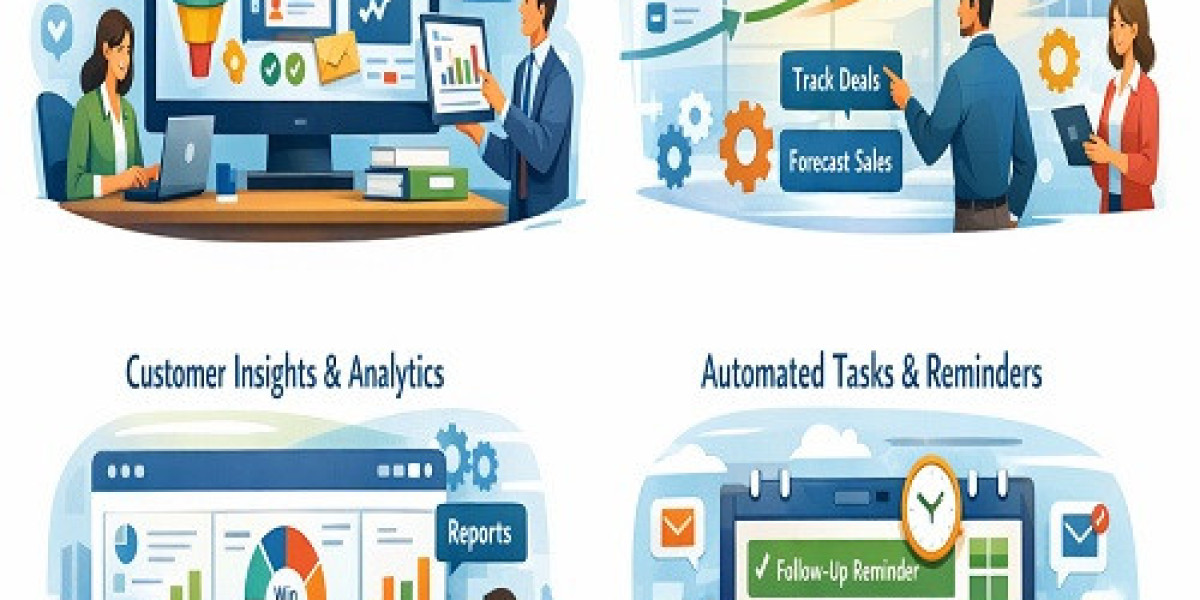
Sales leaders rely on accurate, real-time data to make decisions. If generating reports requires manual exports, custom spreadsheets, or guesswork, you’re missing valuable insights. Modern CRM platforms offer advanced analytics, AI-powered forecasting, and customizable dashboards that make performance visible at a glance.
When you can’t easily answer questions like “Which deals are most likely to close?” or “Where are we losing prospects?”, it’s time to consider an upgrade.
4. Integration Gaps Are Slowing You Down
Your CRM shouldn’t operate in isolation. If it doesn’t integrate well with your marketing automation tools, customer support systems, accounting software, or communication platforms, your teams are likely duplicating effort and working with inconsistent data.
A newer CRM can centralize information across departments, creating a seamless customer journey from lead to renewal.
5. You’re Planning for Growth or Change
The best time to upgrade isn’t always during a crisis. Major milestones—such as entering new markets, launching new products, restructuring your sales team, or preparing for rapid growth—are ideal moments to reassess your CRM. Proactively upgrading allows you to implement the system strategically, train users properly, and avoid disruption later.
Final Thoughts
Upgrading your sales CRM software is not just a technical decision—it’s a strategic one. If your current system limits productivity, visibility, or scalability, delaying the upgrade can cost you more than the transition itself. The best time to upgrade is when your CRM no longer supports your sales goals—and before it starts actively working against them.
A well-timed CRM upgrade empowers your sales team, improves customer relationships, and sets the foundation for sustainable growth.